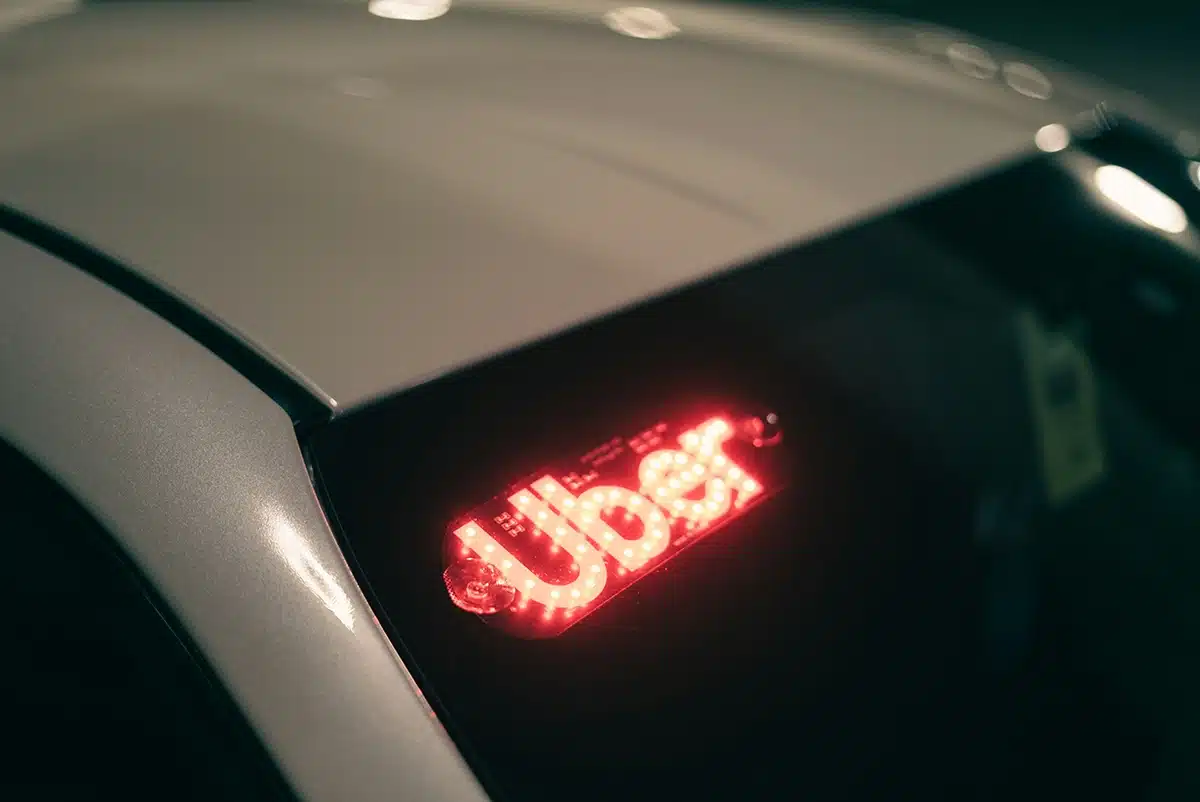
Photo by Erik Mclean on Unsplash
The popularity of Uber depends on the promise of cheap, fast rides, but no one likes thinking about what happens when things go wrong. Crashes are part of the risk, passengers get hurt, and pedestrians get struck. In those moments, the question of who pays for medical bills and lost wages isn’t theoretical.
Uber does offer insurance for these crashes, but it’s not simple. Coverage depends entirely on what the driver was doing at the time. The app’s status decides whether Uber’s $1 million policy kicks in or if you’re stuck chasing the driver’s personal insurer for pennies.
If you’re dealing with injuries from an Uber crash, you’ll want to see what the rules actually say before you accept any settlement. Michael Kelly Injury Lawyers can review your case to make sure you’re not left paying out-of-pocket for someone else’s mistake.
Uber’s Insurance Isn’t One Policy
Many people think using Uber is like riding in a taxi with full commercial insurance at all times. That’s not how it works. Uber does not carry a single blanket policy that covers every situation in the same way. Instead, the company’s insurance changes depending on what the driver is doing in the app at the exact moment of the crash.
Here’s how it breaks down:
- Offline (app off): Uber’s insurance offers nothing at all. The driver is considered a private individual using their personal vehicle. Any crash is covered solely by the driver’s own personal auto policy, which may have low state minimum limits.
- App on, no ride accepted: The driver is logged in and available to take requests, but hasn’t accepted one yet. Uber offers limited liability coverage here, just enough to meet or slightly exceed minimum state requirements.
- Ride accepted or passenger onboard: This is the only time Uber’s well-publicized $1 million policy applies. Once a driver accepts a ride and is en route to the pickup or has a passenger in the vehicle, Uber provides $1 million in third-party liability coverage, plus up to $1 million in uninsured/underinsured motorist coverage in many states.
When the App Is Off
If the driver isn’t logged into the app, Uber takes no responsibility. Any injuries or property damage fall under the driver’s personal auto policy.
This creates real risk for anyone hurt in a crash with an off-duty rideshare driver. Personal policies often carry only state minimum liability, sometimes as little as $25,000 per injured person, nowhere near enough for hospital stays or surgery.
Passengers in other cars, pedestrians, cyclists, or the Uber driver themselves may be left with bills the driver can’t pay if personal coverage runs out.
App On, Waiting for Requests
Once the driver goes online and waits for a request, Uber provides limited backup coverage:
- $50,000 bodily injury per person
- $100,000 bodily injury per accident
- $25,000 property damage per accident
This coverage only kicks in if the driver’s personal policy denies or fails to cover the claim. It’s contingent. Uber’s insurer might argue the driver’s personal coverage should apply first.
These limits also don’t go far in serious crashes. Multiple injuries can quickly burn through $100,000 total. Medical transport alone can cost thousands.
En Route to Pick Up a Passenger
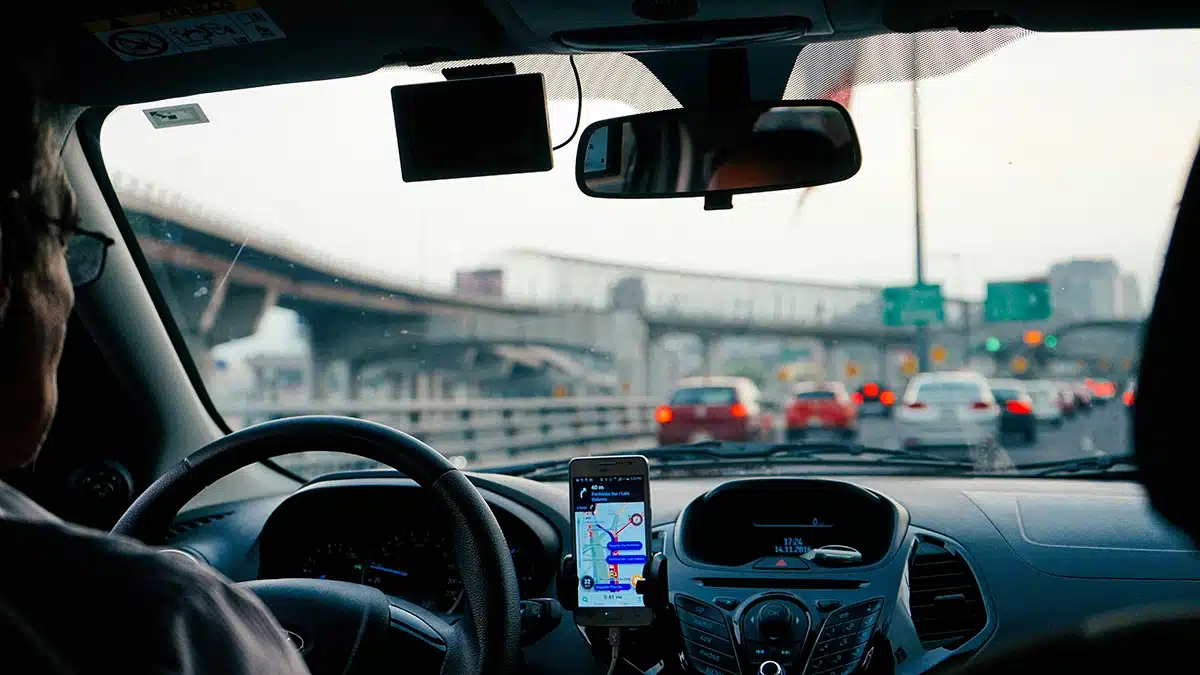
If the driver accepts a ride and is driving to pick up the passenger, Uber’s policy improves dramatically. This is where the well-known $1 million liability limit applies.
During this phase, Uber’s insurance typically includes:
- $1 million third-party liability
- Contingent comprehensive and collision (if the driver has this on their own policy) with a $2,500 deductible
- Up to $1 million in uninsured/underinsured motorist (UM/UIM) coverage in many states
Liability coverage pays for injuries or property damage caused to others if the driver is at fault. UM/UIM coverage protects passengers and drivers if another motorist is at fault but has too little insurance or disappears after a hit-and-run.
Passenger in the Vehicle
Coverage remains at its highest level once the passenger is onboard. This is the core of Uber’s public promise of $1 million in protection.
- $1 million liability covers injuries to passengers, other drivers, pedestrians, or cyclists if the Uber driver is at fault.
- $1 million UM/UIM applies if another driver is at fault but lacks insurance or flees.
- Contingent collision/comprehensive pays for the Uber vehicle itself, subject to the $2,500 deductible, but only if the driver carries similar personal coverage.
For passengers, this setup generally means substantial protection for medical bills, lost wages, rehabilitation costs, and other damages, if the insurer accepts the claim without dispute.
Uninsured and Underinsured Motorist Coverage
UM/UIM coverage is essential when the at-fault driver is underinsured or cannot be identified. Picture another car running a red light and hitting your Uber. If that driver has only the legal minimum coverage or flees the scene entirely, Uber’s $1 million UM/UIM coverage can pay for injuries.
Without this provision, passengers could be stuck with limited or no recovery if the at-fault driver lacks insurance.
The Driver’s Own Coverage
Uber’s liability policy is designed to protect others from the driver’s mistakes. It doesn’t pay for the driver’s own injuries unless certain conditions are met.
For vehicle repairs, Uber offers contingent collision and comprehensive coverage. But the driver must have their own collision/comprehensive policy to qualify, and even then there’s a steep $2,500 deductible.
For medical costs and lost wages, Uber drivers don’t get standard workers’ compensation because they’re independent contractors. Uber has offered optional “injury protection” in some states, which drivers must buy themselves. Without it, drivers hurt on the job may face significant out-of-pocket costs if they lack strong personal health insurance.
State-Specific Variations
While Uber advertises standard coverage levels, state laws can impose extra rules.
- California requires $1 million in liability and UM/UIM coverage during active rides.
- Some states mandate higher minimum coverage even during the “waiting for request” period.
- New York City imposes stricter insurance rules on rideshare operators.
Anyone injured in a rideshare crash should consider local laws before assuming any advertised coverage limit will actually apply.
Filing an Insurance Claim After an Uber Crash
If you’re hurt in an Uber accident, don’t assume insurers will automatically pay what they should. Insurers often dispute these claims, arguing about app status, fault, injury severity, or medical necessity.
General steps after a crash:
- Call the police. A police report provides crucial evidence.
- Get medical care immediately. Delays hurt both health and the strength of your claim.
- Notify Uber through the app or website. Their insurer will require prompt notice.
- File claims with the relevant insurers, which may include: the Uber driver’s personal auto insurer, Uber’s insurer (varies by state, examples include James River, Progressive, Farmers), your own auto insurer for MedPay, PIP, or UM/UIM if applicable
Be prepared for the possibility of multiple insurers pointing fingers at each other, delaying payment, or making low offers.
Why It Matters to Understand the Limits
The $1 million promise gets attention, but it only applies when the driver is working. If the driver is offline or waiting without a ride, coverage can be far lower or even nonexistent.
Passengers and drivers both need to understand these details. Don’t count on Uber to explain them during a crisis. If you’re hurt, knowing where coverage starts and stops can make the difference between getting your medical bills paid or going into debt.