Vehicle accidents occur for a variety of reasons, but the leading causes can often be traced back to driver behavior. Speeding, distracted driving, and driving under the influence consistently top the list of factors contributing to most crashes. These behaviors impair judgment and reaction times, increasing the likelihood of collisions on the road.
Environmental factors such as poor weather and hazardous road conditions also play a role, but driver-related actions remain the primary cause of vehicle accidents. Understanding these key risks is essential for anyone looking to improve road safety and reduce the chances of being involved in a crash.
Driver Errors and Risky Behaviors
Many vehicle accidents arise from choices and actions made by drivers. Poor judgment and lapses in attention often increase the likelihood of crashes and injuries.
Distracted Driving
Distracted driving remains a leading cause of collisions. It includes activities like texting, talking on the phone, eating, or adjusting controls while driving. These distractions divert attention from the road, causing delayed reactions.
Visual, manual, and cognitive distractions all impair driving performance. For example, sending a text takes the driver’s eyes off the road and hands off the wheel, increasing crash risk significantly.
Young and inexperienced drivers are especially vulnerable to distractions. Laws limiting phone use while driving aim to reduce this behavior, but it still accounts for a notable portion of accidents every year.
Speeding
Speeding raises both the chance of a crash and the severity of the collision. It reduces the time to respond to hazards and increases stopping distances.
Drivers often underestimate how speed affects control and braking. In 2024, speeding remained one of the top factors in fatal accidents across many states.
Speeding also increases the force of impact during crashes, leading to more serious injuries or death. Enforcement and education efforts target this behavior due to its clear link to road dangers.
Impaired Driving
Driving under the influence of alcohol or drugs impairs judgment, coordination, and reaction time. It remains a significant contributor to vehicle crashes.
Even small amounts of alcohol can affect driving ability. Drug impairment, including prescription and illegal substances, further raises the risk.
Impaired drivers are less able to make quick decisions and are prone to risky behaviors like speeding or failing to yield. Strict legal penalties and public awareness campaigns address this key cause of accidents.
Drowsy Driving
Fatigue reduces alertness and slows reaction times, making drowsy driving a silent but serious risk factor.
Drivers who are sleep-deprived have impaired attention and judgment, similar to impairment from intoxication. Driving late at night, after long work hours, or while managing sleep disorders increases this risk.
Signs of drowsiness include frequent yawning, drifting out of the lane, or difficulty focusing. Awareness and regular breaks during driving can help prevent crashes caused by fatigue.
Environmental and Road Conditions
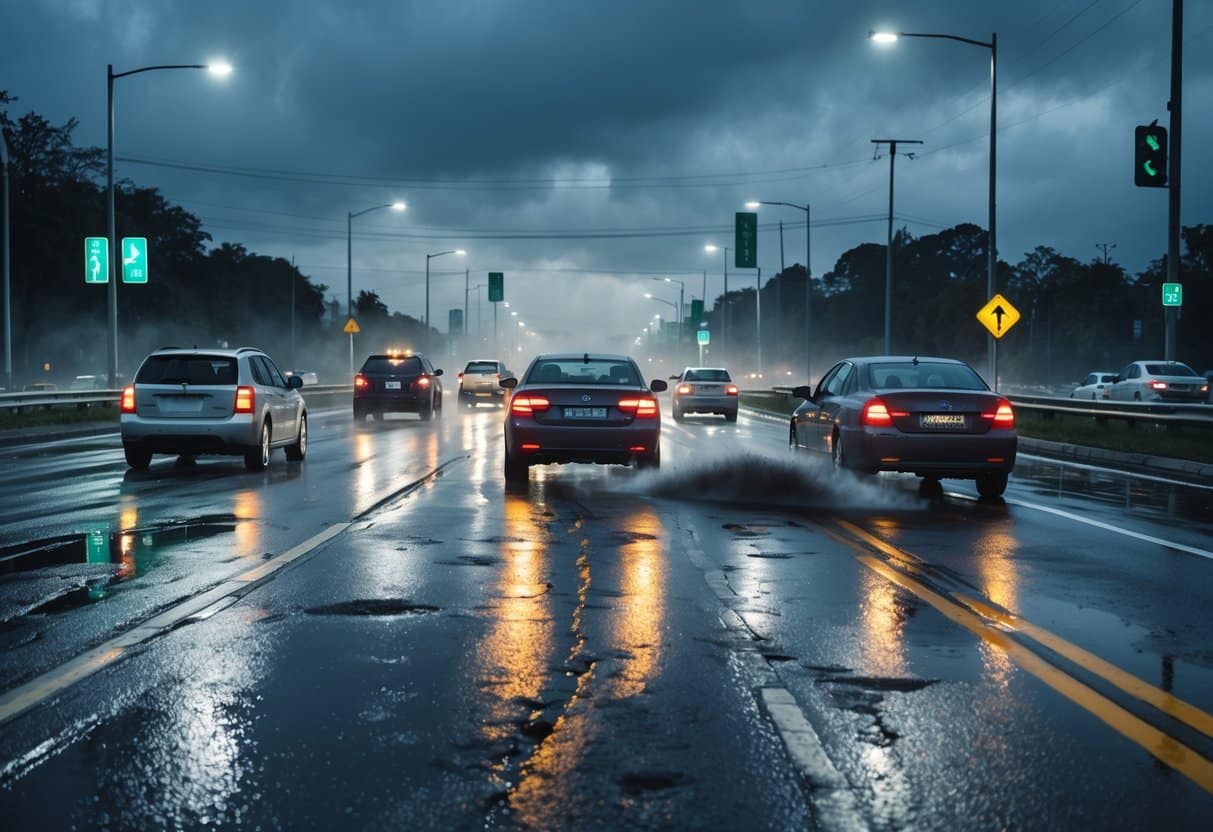
Environmental and road conditions significantly influence the safety of driving. Factors such as weather, road surface quality, and lighting can alter a driver’s ability to perceive hazards and control the vehicle.
Weather-Related Factors
Weather conditions like rain, fog, snow, and ice create slippery surfaces that reduce tire traction. Wet roads can increase stopping distances and cause hydroplaning. Fog limits visibility, making it harder to see other vehicles, road signs, and hazards.
Rain and ice are common contributors to crashes during certain seasons. Drivers often underestimate their impact on vehicle control. Weather-related factors account for a noticeable proportion of accidents, especially during sudden weather changes.
Drivers must adjust speed and increase following distances in adverse weather. Proper vehicle maintenance, like tire tread and windshield wipers, is critical for safety during these conditions.
Hazardous Roadways
Poor road maintenance, such as potholes, uneven pavement, and debris, directly increases collision risk. Cracks or damaged surfaces can cause tire blowouts or reduce control, especially at high speeds.
Road design flaws, including sharp curves and insufficient shoulder space, limit driver reaction time. Vegetation encroaching on road edges may narrow lanes and obstruct views, increasing collision risk with other vehicles or roadside objects.
The absence or poor placement of signs about upcoming hazards or changes in road conditions adds to driver confusion. This can cause sudden maneuvers, which are common in crashes.
Mechanical Failures and Vehicle Maintenance
Vehicle accidents can result from specific mechanical failures that impair control and safety. Proper maintenance reduces risks by addressing issues before they lead to dangerous situations.
Brake Failures
Brake failures are a common cause of accidents due to reduced stopping power. Worn brake pads, leaking brake fluid, or malfunctioning brake lines can severely compromise braking performance.
Signs of brake problems include squeaking sounds, a soft brake pedal, or vibrations when braking. Ignoring these symptoms increases the chance of accidents, especially in emergency stops or heavy traffic.
Regular brake inspections and timely replacement of components are essential to maintaining brake reliability. Neglecting brake maintenance can lead to complete brake failure, putting drivers and others at risk.
Tire Blowouts
Tire blowouts occur when a tire suddenly loses air pressure or bursts while driving. Causes include worn tread, underinflation, overloading, or hitting road hazards like potholes.
A blowout can cause loss of vehicle control, often resulting in crashes if drivers cannot react quickly. Maintaining proper tire pressure and regularly inspecting tires for damage reduce blowout risks.
Tires with visible cracks, bulges, or uneven wear should be replaced promptly. Using tires beyond their recommended lifespan or ignoring manufacturer guidelines increases the likelihood of blowouts.
Engine and Transmission Problems
Engine and transmission issues can lead to sudden power loss or inability to control speed. Transmission problems may include slipping gears, delays in shifting, or complete transmission failure.
Engine failures often result from inadequate oil levels, overheating, or defective components. These issues might cause stalling or loss of acceleration, dangerous in high-speed or congested environments.
Timely oil changes, fluid checks, and routine mechanical inspections prevent serious engine or transmission failures. Ignoring warning signs or skipping maintenance increases the risk of accidents caused by unexpected mechanical dysfunction.
Commercial Vehicle and Truck Accidents
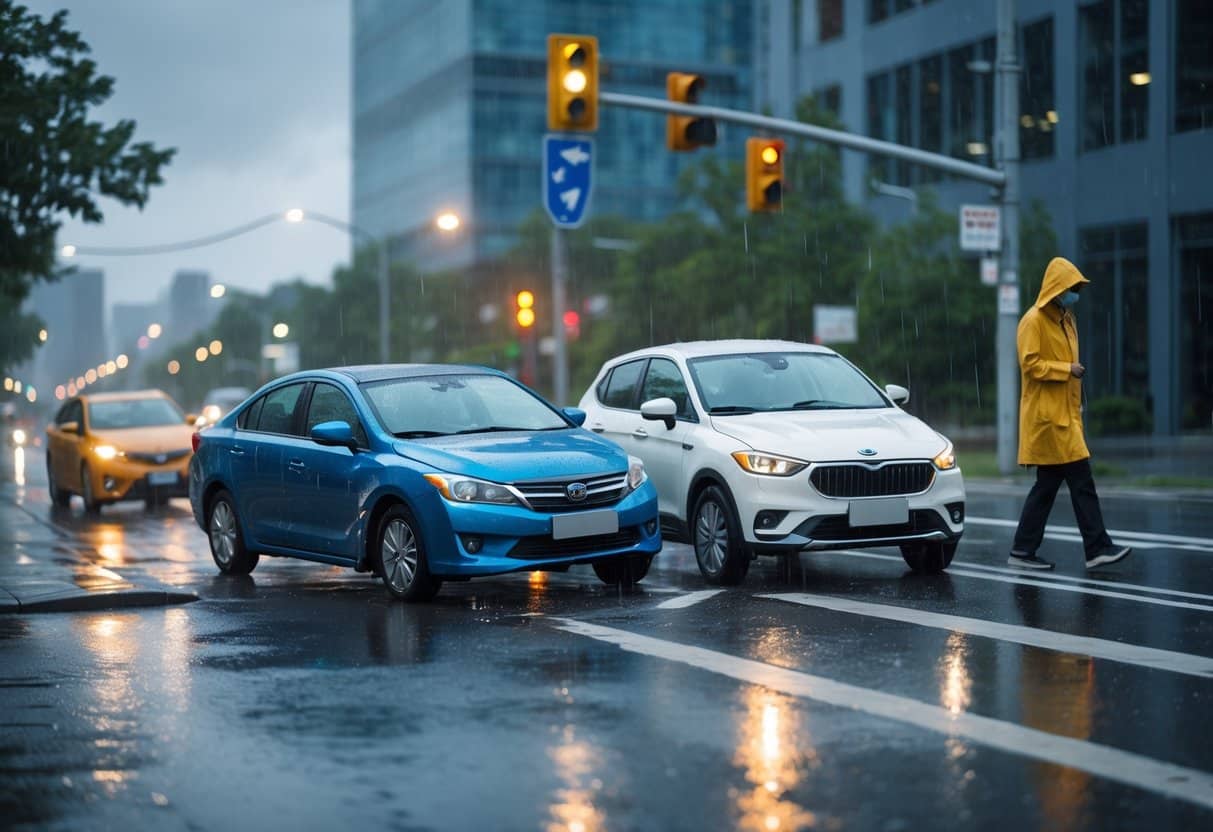
Commercial vehicle and truck accidents often involve complex factors related to vehicle size, load management, and driver condition.
Large Truck Collisions
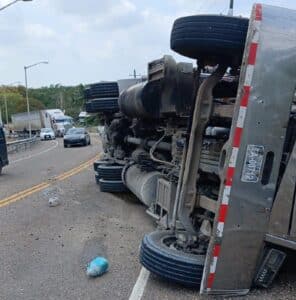
Collisions involving large trucks are especially dangerous due to the trucks’ substantial weight and size. These vehicles require longer stopping distances and have larger blind spots, which can increase risk in heavy traffic or sudden braking situations.
In many cases, large truck collisions result from factors such as speeding, improper lane changes, or failure to yield. Truck accident attorneys emphasize that understanding these risks can help victims seek proper legal representation, particularly in places like Madison where specialized truck accident lawyers are familiar with local roadway conditions.
Driver Fatigue in Commercial Transport
Driver fatigue is a leading cause of commercial truck accidents. Long driving hours, tight delivery schedules, and pressure to meet deadlines can exhaust drivers, impairing judgment and reaction times.
Fatigued drivers are slower to respond to hazards and more prone to falling asleep at the wheel. Enforcement of Hours of Service regulations aims to reduce this risk, but violations still occur. Victims of accidents involving driver fatigue may work with truck accident attorneys to address liability and compensation issues.
Road User Types and Vulnerable Populations
Vehicle accidents affect different road users in varied ways. Certain groups, such as motorcyclists, pedestrians, and cyclists, face higher risks and specific challenges.
Motorcyclist Involvement
Motorcyclists make up a significant portion of traffic fatalities, despite being a smaller percentage of road users. Their exposure leaves them vulnerable to severe injuries in crashes due to limited protection compared to car occupants.
Common causes of motorcycle accidents include distracted driving by others, failure to yield, and speeding. Motorcyclists also face increased risks at intersections, where driver visibility can be obstructed. Helmets reduce fatality risk, but compliance and enforcement vary.
Improvements in rider training, protective gear, and public awareness campaigns can reduce crashes. Addressing motorist awareness of motorcycles is also key to improving safety outcomes for this group.
Pedestrian Accidents
Pedestrians represent one of the most vulnerable road user categories, especially among the elderly. Pedestrian fatalities often result from collisions with motor vehicles in urban settings or crosswalks.
Factors contributing to pedestrian accidents include poor visibility, driver distraction, and inadequate pedestrian infrastructure. The elderly are especially at risk due to slower walking speeds and reduced ability to react quickly.
Targeted interventions include better lighting, clearer crosswalk markings, and pedestrian signals timed for slower crossing. Vehicle speed reduction near pedestrian zones also helps lower fatality and injury rates.
Cyclist and Scooter Conflicts
Cyclists and scooter riders are increasingly involved in road accidents due to growing use in urban areas. Conflicts commonly occur when motorists fail to recognize or yield to these two-wheeled travelers.
Injuries in cyclist and scooter accidents can be severe because riders lack the protective structure of motor vehicles. Common accident causes are dooring incidents, improper passing, and turning conflicts at intersections.
Safety measures include dedicated bike lanes, strict helmet laws, and public education for both riders and drivers. Urban planning that separates motor vehicles from active transportation modes improves safety for cyclists and scooter users.