Photo by Helmy Zairy
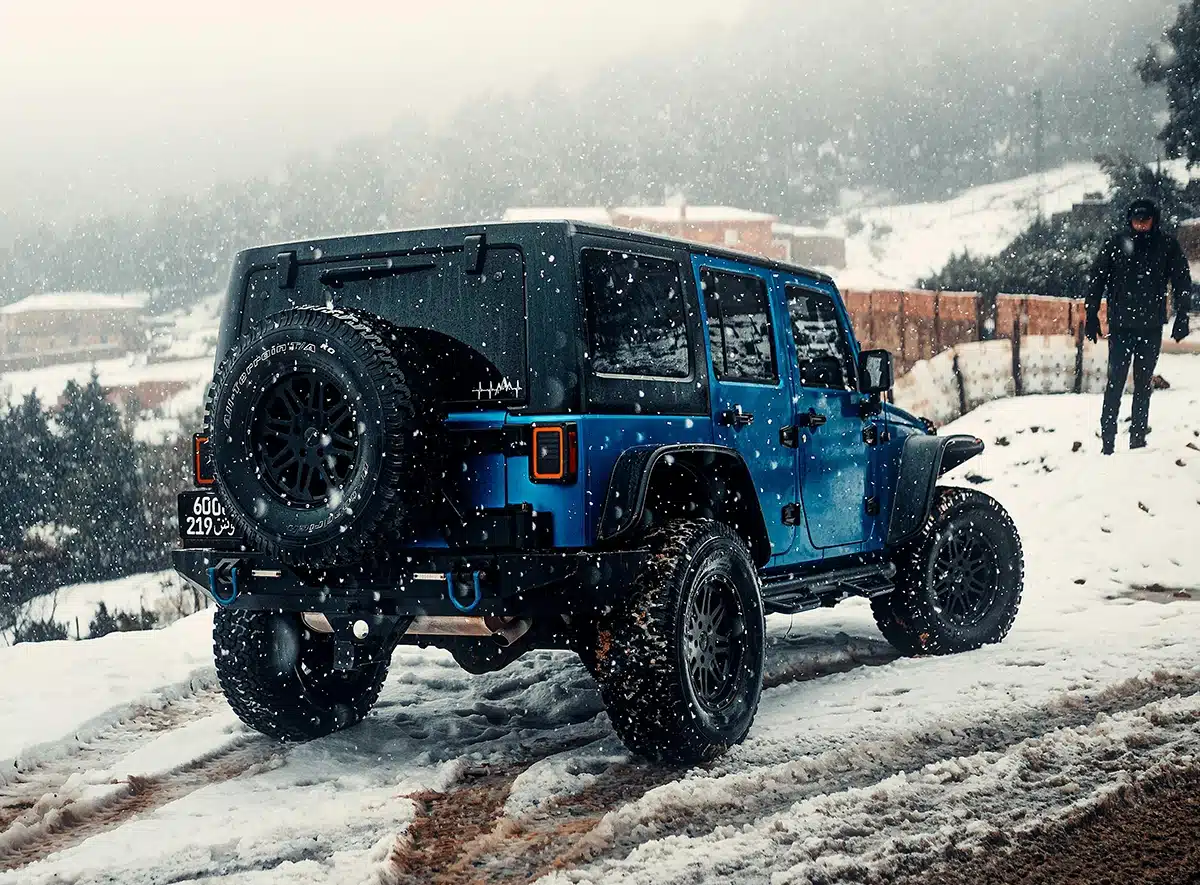
The mountains are beautiful during the winter season, and you may find yourself drawn to higher elevations to enjoy your favorite snow-filled adventures. But, you’ll also need to use caution driving on snowy or icy roads. Following these special safety considerations helps you stay safe while you drive to your ski resort or cozy mountain cabin.
Perform Essential Winter Maintenance
Cold weather is hard on vehicles, and it’s possible that your car needs a belt replacement or more air in the tires. Before your mountain drive, take the time to perform a complete vehicle inspection. Taking care of minor issues now can ensure that you don’t face a major breakdown on tough mountain roads.
Check for Chain Laws
Depending on the area that you’ll be driving in, there might be chain laws in place. Check the local driving laws and regulations to find out if you need to put chains on the tires. At the very least, you’ll want snow or all-season tires to help you drive on potentially snow-covered mountain roads.
Keep the Gas Tank Over Half Full
Running out of gas in frigid conditions could be life-threatening if you can’t run your car to stay warm. Always try to leave for mountain adventures with a full tank. You’ll be glad to have the fuel available to wait through a traffic jam or keep your car running if you add miles to your trip after veering off course.
Map Out Your Route
Being able to navigate your way through mountain roads is easier with modern mapping systems. But you can’t always count on your GPS working if you travel outside of your system’s cellular range. Try to download any maps you plan to use before you leave your house. If necessary, you can also use a paper and pen to create a map that you know will work in any conditions.
Pay Attention to Your Car’s Brakes
Descending on mountain roads places a great amount of strain on your vehicle’s braking system. To reduce this strain, use your car’s transmission or engine to help slow it down. Switching to a lower gear helps to reduce wear and tear on the brakes. If you need to use the brakes frequently during the drive, then pull over and stop safely if you smell them burning. Once they cool, you can drive again. But only do so if you’re sure the brakes aren’t damaged.
Keep a Close Eye Out for Other Road Users
On tight, windy mountain roads, you’ll need to pay careful attention to oncoming traffic. Since you can’t always see around curves, you’ll want to make sure you stay in your lane. If you encounter a vehicle on a narrow road, then give the one going uphill the right-of-way. Pulling as close as you can to the opposite shoulder of the road can give them more space. In some cases, you may need to stop and let the other vehicle drive through a narrow passage before proceeding.
Cycling is very popular in many mountain areas. Watch for cyclists and other vulnerable road users. If you must pass a cyclist, use extreme caution. In some states, such as North Carolina, you must give cyclists at least two feet of space when passing.
Stock a Winter Emergency Survival Kit
For winter driving in general, you can never go wrong having an extra coat, gloves and other warm clothing available to put on if you have a roadside emergency. In the mountains, you can also benefit from having an emergency kit that includes extra water and snacks to use if you get stranded.
As a final note, it’s important to always have a plan in mind. Make sure to keep your insurance information handy, along with the details to call for roadside assistance. If you do experience an accident, remember to keep your cool. Reaching out to an attorney once you get home can ensure that your needs are met if you sustain an injury or property damage. With every detail in place, you can relax and enjoy your winter mountain drive with full confidence that you’ll be safe.