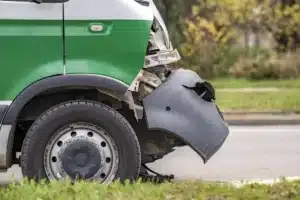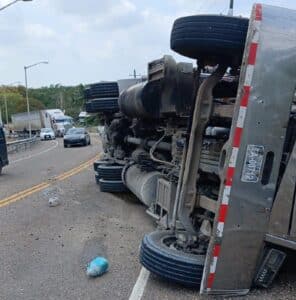

Utah’s highways are the lifelines of the state—crisscrossing mountain passes, deserts, and densely populated cities. From the commercial arteries of I-15 and I-80 to rural backroads, pickup trucks and semi-trucks are everywhere. They’re critical to Utah’s economy, transporting goods, supporting industries, and serving both business and personal needs. But their prevalence also comes with a cost.
Accidents involving pickups and semi-trucks are among the most dangerous on the road. Their sheer size, weight, and complexity increase the chances of serious injury or death when collisions happen.
For Utah drivers, staying safe and knowing your legal rights after an accident are both essential. This article breaks down the risks, offers prevention strategies, and explains the legal steps to take if you’re involved in a truck-related crash.
The Real Risks of Pickup and Semi-Truck Accidents
Large vehicles—especially those hauling cargo—bring unique hazards to the road. Semi-trucks can weigh up to 80,000 pounds fully loaded, and even a standard pickup truck has far more mass and force than a sedan or compact SUV. When collisions occur, the physics are unforgiving.
In Utah, where long-distance trucking is common and rural roads can be winding or poorly lit, accidents involving these vehicles are far too frequent. High speeds on the interstate, mixed with weather changes and heavy traffic, only increase the danger.
Common causes of truck-related crashes include:
- Driver fatigue: Truck drivers often work long hours. Despite regulations, drowsy driving remains a top cause of serious accidents.
- Distracted driving: Phones, GPS, and other tech are frequent distractions for all drivers, including professionals.
- Improper loading: Overloaded or unbalanced pickups and trailers can sway, tip, or become uncontrollable.
- Poor maintenance: Brake failure, tire blowouts, and worn components increase the chance of a crash, especially in larger vehicles.
- Blind spots: Semi-trucks have significant no-zones on all sides. If you can’t see the truck driver’s mirrors, they probably can’t see you.
Preventing Truck Accidents on Utah’s Roads
While not all accidents can be avoided, many are preventable. Whether you’re behind the wheel of a pickup, a big rig, or a commuter car, your actions matter.
For Pickup and Semi-Truck Drivers:
- Routine Maintenance is Non-Negotiable: Brake checks, tire inspections, and lights should be reviewed regularly. A small malfunction in a large vehicle can lead to catastrophic results.
- Follow Rest Rules: Semi-truck drivers are required by law to rest between shifts. Skipping rest stops to meet delivery windows is illegal and dangerous.
- Avoid Distractions: That includes cell phones, in-cab entertainment, or even eating while driving.
- Adapt to Conditions: Utah weather can turn fast—what starts as clear skies can become rain, snow, or fog. Adjust your speed and following distance accordingly.
For Other Drivers:
- Stay Out of Blind Spots: Don’t linger beside large trucks, especially near their rear tires.
- Pass With Purpose: When overtaking a semi, pass quickly and clearly—don’t hover in a no-zone.
- Don’t Cut In: Large trucks need far more distance to slow down. Cutting them off is a recipe for disaster.
- Be Weather-Wise: Stay back in rain, snow, or dust storms, where visibility and traction are reduced.
Utah’s Department of Public Safety and the Utah Highway Patrol run ongoing public awareness campaigns about these safety practices. Staying informed could save your life—or someone else’s.
Legal Support After a Truck Accident: Why It Matters
A truck accident can turn your life upside down in an instant. You may be facing medical bills, lost income, vehicle damage, and emotional trauma. When semi-trucks or commercial pickups are involved, the legal complexity increases. These vehicles are often operated by companies, and their insurers are quick to defend themselves.
Here’s why having experienced legal support is crucial:
- Insurance companies don’t play fair. They may offer a low settlement quickly, hoping you’ll take it and go away. That offer rarely covers long-term needs.
- Liability can be murky. Was the driver fatigued? Was the truck improperly maintained? Did the company push unsafe deadlines? A legal team can investigate.
- Multiple parties may be responsible. It’s not just the driver—it could be the trucking company, cargo loaders, or a third-party maintenance provider.
Utah residents involved in these accidents should contact professionals who specialize in truck-related cases. The experienced semi-truck accident lawyer team can help you pursue compensation for medical care, property damage, pain and suffering, and lost wages.
Common Injuries and Their Lasting Impact
Truck accidents cause more than just bent metal. The physical and emotional toll can be life-changing. Injuries from these crashes are often severe due to the forces involved.
Typical injuries include:
- Traumatic Brain Injuries (TBIs): Even if you were wearing a seatbelt, the force of impact can cause brain trauma that requires long-term care.
- Spinal Cord Injuries: These can result in temporary or permanent paralysis, often affecting the victim’s ability to work or live independently.
- Internal Injuries: Damage to organs can be life-threatening and not immediately visible after the accident.
Broken Bones and Fractures: While common, they can take months to heal and may require surgery or physical therapy.
Emotional Trauma: PTSD, anxiety, and depression are common after serious crashes.
Beyond physical recovery, victims often struggle with legal battles, insurance delays, and the uncertainty of returning to work. It’s a heavy burden—but you don’t have to carry it alone.
Tips for Staying Safe and Legally Prepared
Accidents happen fast. Preparation is your best defense—on the road and afterward.
- Drive Defensively: Always assume truck drivers can’t see you. Be proactive about avoiding their blind spots and keep extra distance.
- Maintain Your Vehicle: Especially if you drive a pickup or large personal vehicle, check tires, brakes, and lights regularly.
- Know Utah’s Laws: Understanding right-of-way rules, insurance requirements, and liability standards gives you an edge in protecting yourself.
- Document Everything After a Crash:
- Take photos of all vehicles and the accident scene.
Collect contact information from witnesses. - File a police report—this becomes key evidence in insurance and legal proceedings.
- Take photos of all vehicles and the accident scene.
- Don’t Go It Alone: Legal advice early on can prevent big problems later. Don’t speak to insurance adjusters without understanding your rights.
Moving Forward After a Truck Accident in Utah
Surviving a truck accident is just the beginning. Recovery takes time—and action. If you’re a victim, seek medical care immediately, document the incident, and contact a trusted legal team to explore your options. If you’re a driver of a pickup or semi-truck, stay committed to best practices, safe driving, and legal compliance.
Utah’s roads are busy, and large vehicles aren’t going away. But with greater awareness, proper precautions, and the right support after an accident, we can make those roads safer for everyone.
Whether you’re a professional driver or a parent commuting with your kids, your choices matter. And if things go wrong, the law is there to help you get back on track—if you know how to use it.