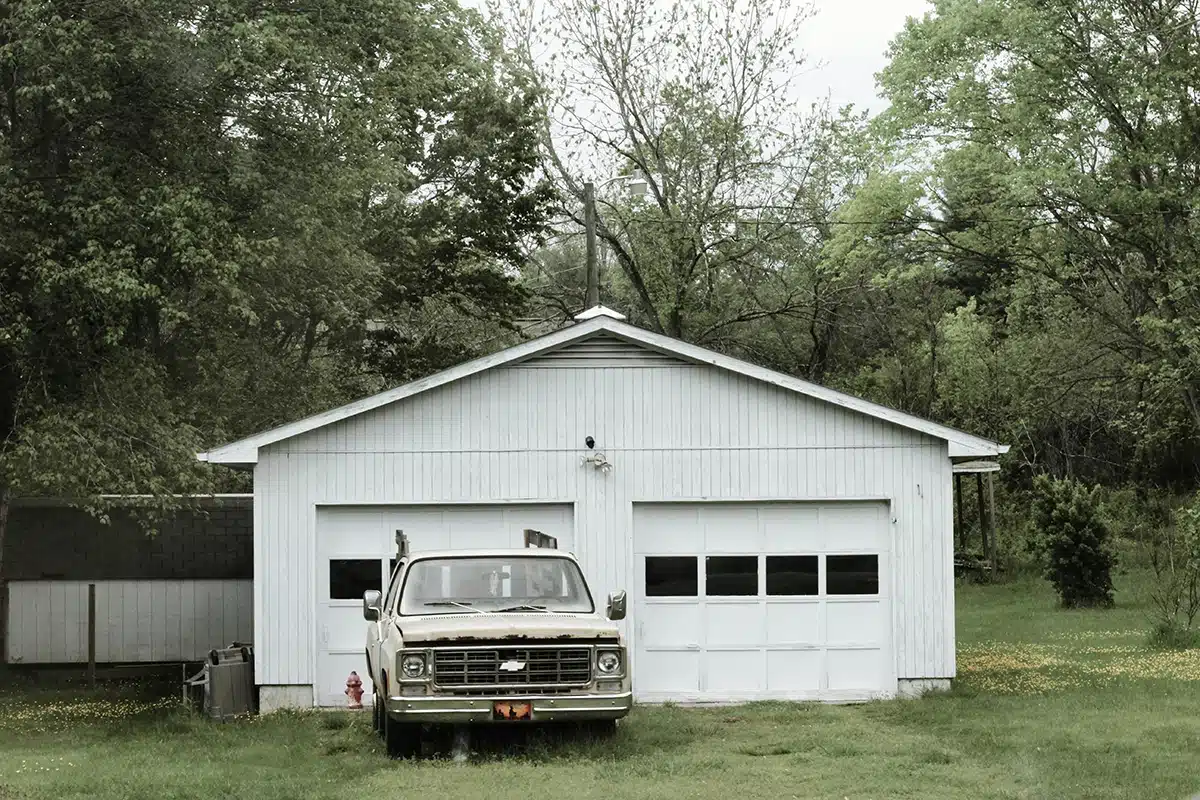
Pickup trucks are a common sight across Iowa, from the bustling streets of Des Moines to the quiet backroads of rural counties. Their versatility makes them a go-to choice for many drivers. Whether it’s hauling equipment for work, navigating snowy winters, or tackling rugged terrain, these vehicles offer the power and practicality Iowans value.
For farmers, contractors, and families alike, pickups blend workhorse reliability with everyday convenience, earning a loyal following in both urban and rural settings.
Their appeal is undeniable. With high ground clearance and robust towing capacity, they handle Iowa’s diverse landscapes and weather challenges with ease. Many drivers also appreciate the spacious cabins and advanced tech in newer models, making long commutes or family trips more comfortable.
Yet, as much as these trucks are celebrated for their strength, questions linger about their safety. Are they as secure as their size suggests, or do they come with unique risks that drivers need to understand?
The Safety Myth: Are Pickups Truly Safer?
Many Iowa drivers assume that bigger vehicles, like pickup trucks, offer superior safety. The logic seems straightforward: a larger, heavier vehicle should provide better protection in a crash. This belief is widespread, especially among those who drive pickups for their imposing presence on the road. However, the reality is more nuanced, and data paints a different picture.
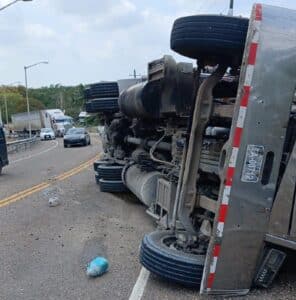
While pickup trucks can offer advantages in certain collisions—particularly against smaller vehicles—their design introduces specific risks. Their higher center of gravity increases the likelihood of rollovers, especially during sharp turns or sudden maneuvers. According to the National Highway Traffic Safety Administration, pickups have a higher rollover rate than sedans or SUVs, with older models being particularly vulnerable due to less advanced stability control systems. Newer trucks often include electronic stability control, but this doesn’t eliminate the risk entirely, especially at high speeds or on uneven roads.
Another concern is passenger protection, especially for those in the back seat. Many pickups, particularly older or base models, lack the same level of crash protection for rear passengers as front occupants. Side-impact crashes can also pose challenges, as pickups often have less robust side airbag systems compared to modern cars. For Iowa drivers, this means that while pickups may feel safer, they don’t always deliver the expected protection in every scenario.
What to Do After an Accident in Des Moines
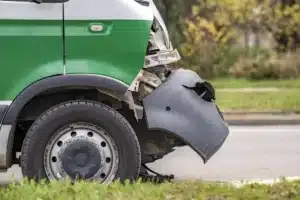
Nobody plans for a crash, but knowing what to do can make a big difference. If you’re involved in an accident in Des Moines, your first priority is ensuring everyone’s safety. Check for injuries, move to a safe location if possible, and call the police to report the incident. Documenting the scene—taking photos of the vehicles, road conditions, and any visible damage—can help when filing an insurance claim. Gathering contact information from witnesses, if any, adds another layer of support for your case.
Once the immediate concerns are addressed, contact your insurance provider to report the accident. Be thorough but cautious when sharing details, as this information can affect your claim. In cases involving pickup trucks, where damage can be extensive due to their size and weight, disputes over fault or compensation may arise. This is where legal guidance can be invaluable.
Seeking advice from experienced professionals can clarify your rights and options, especially if injuries or significant property damage are involved. Des Moines car accident experts can provide insight into navigating complex claims, ensuring your fairly compensated for medical bills, repairs, or other losses. Their expertise is particularly helpful when dealing with accidents involving larger vehicles like pickups, where liability and insurance issues can get tricky.
Driving Pickup Trucks Safely on Iowa Roads
Owning a pickup truck comes with a learning curve, especially on Iowa’s varied roads. From icy winter highways to crowded city intersections, these vehicles demand extra care. Here are practical tips to keep you and others safe:
- Maintain Your Vehicle: Regular checks on brakes, tires, and suspension are critical. Pickups are heavier, so worn tires or faulty brakes can lead to longer stopping distances, increasing accident risks. Schedule seasonal inspections to ensure your truck is winter-ready.
- Adapt to Weather: Iowa’s winters bring snow and ice, which can challenge even the most capable trucks. Use four-wheel drive wisely, but don’t rely on it alone—slow down and increase following distances in bad weather. Avoid sudden movements to maintain traction.
- Buckle Up: Seat belts are non-negotiable, especially in pickups prone to rollovers. Ensure all passengers, including those in the back, are secured. Child safety seats should be properly installed, ideally in the back seat.
- Drive Defensively in Cities: In urban areas like Des Moines, tight parking lots and busy intersections require patience. Pickups have larger blind spots, so double-check mirrors and consider backup cameras for added safety. Signal early to alert other drivers.
- Watch Your Load: If hauling cargo, secure it properly to avoid shifting, which can destabilize the vehicle. Overloading increases rollover risks and strains brakes. Check weight limits in your truck’s manual to stay within safe parameters.
By staying proactive and alert, you can minimize the unique risks associated with driving a pickup truck.
Conclusion: Balancing Power and Preparedness
Pickup trucks are a fantastic choice for many Iowa drivers, offering unmatched versatility for work and life. Their size and strength make them ideal for hauling, towing, and navigating tough conditions, but they’re not immune to accidents or design-related risks. Understanding these realities—higher rollover potential, variable passenger protection, and the need for careful driving—empowers you to make informed choices.
By maintaining your vehicle, driving defensively, and knowing what steps to take after a crash, you can enjoy the benefits of your pickup while keeping safety first. Iowa’s roads demand respect, whether you’re cruising through farmland or navigating city traffic. Stay informed, stay prepared, and keep the journey safe for everyone.