
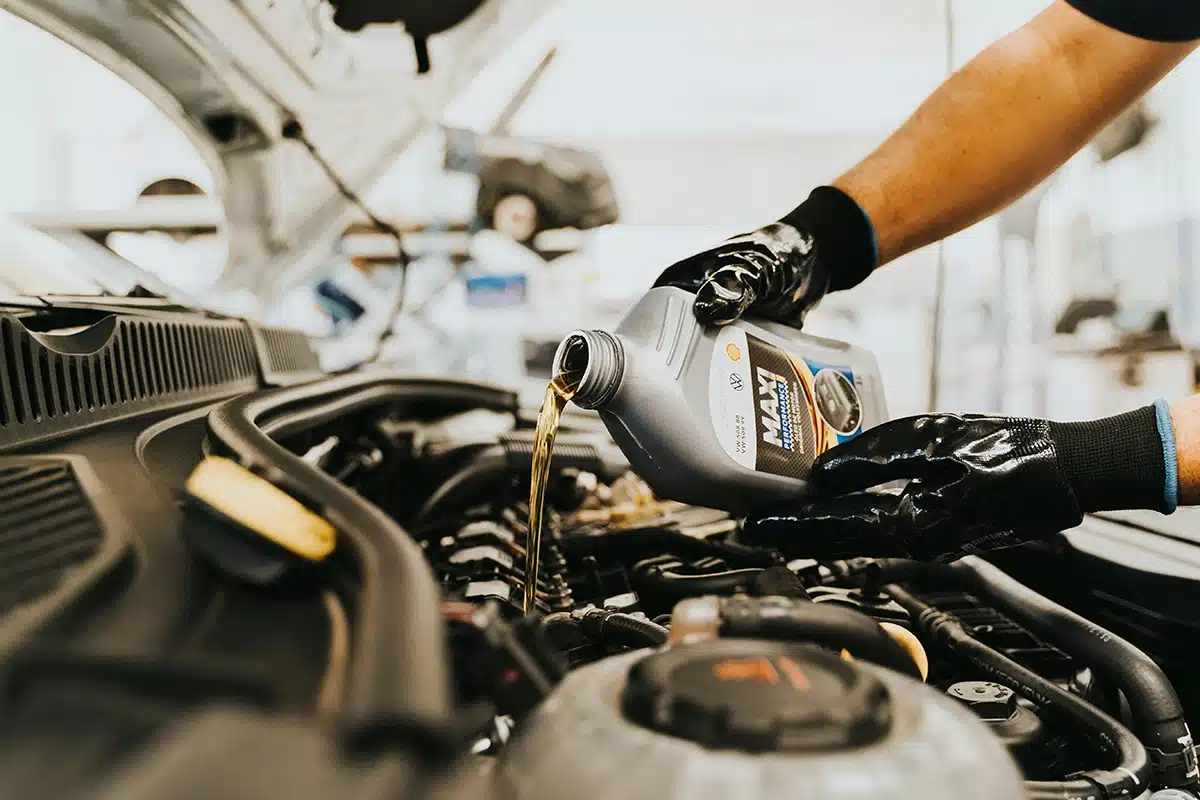
A new GF-7 motor oil standard will be showing up at your local auto parts store aimed at boosting engine protection as well as MPG.
The new standard, developed through industry collaboration between automakers and oil companies, is designed to improve on the existing oils out there to better protect turbocharged and engine with gasoline direct injection or both.
In order to understand what the GF-7 standard means, Pennzoil sent a question and answer formatted document explaining the new standard from experts Sean Nguyen, Technical Scientist and Automotive Lubricant Specialist at Pennzoil, and Bill O’Ryan, Senior Manager of the Engine Oil Licensing and Certification System (EOLCS) at the American Petroleum Institute (API).
Why a New Standard?
The GF-7 category replaces the existing GF-6 standard and includes new testing protocols aimed at addressing the latest engine challenges—such as wear, high-temperature stress, and a phenomenon known as low-speed pre-ignition (LSPI), a serious issue in smaller turbocharged engines.
“GF-7 is all about improving performance in the real-world driving conditions today’s vehicles face,” said O’Ryan. “It also aligns with stricter fuel economy and emissions regulations coming into effect for the 2026 model year.”
What Makes GF-7 motor oil Better?
Among its key improvements, GF-7 offers enhanced wear protection, better piston cleanliness, and more robust performance in extreme temperatures. One major advancement is its ability to reduce LSPI, which can cause severe engine damage in turbocharged engines.
“LSPI is essentially a form of engine knock that occurs in modern GDI engines,” said Nguyen. “The introduction of the Aged Oil Sequence IX test in GF-7 ensures oils are better equipped to resist LSPI events and protect the engine over time.”
Backwards Compatibility and Fuel Economy Gains
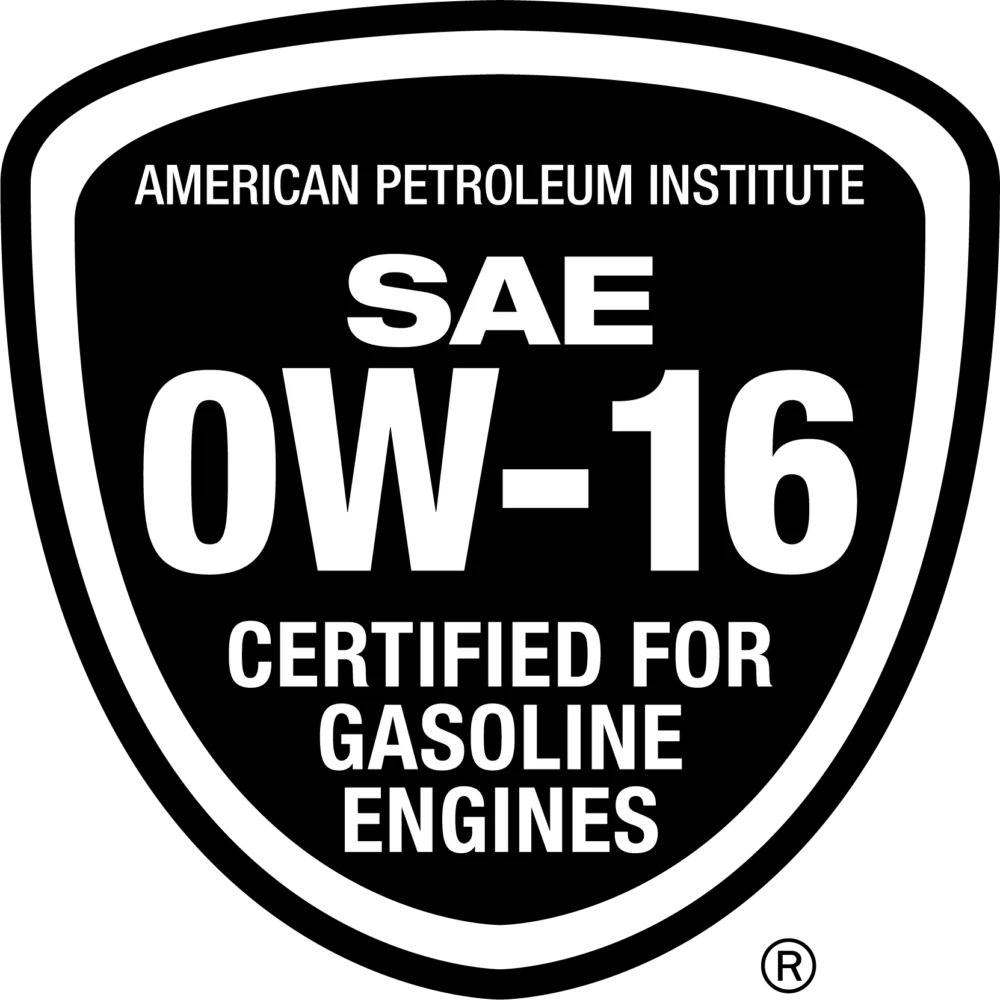
According to API, GF-7 comes in two categories: GF-7A, which is backward-compatible with previous ILSAC specifications in common viscosity grades like 0W-20, 5W-20, and 5W-30; and GF-7B, which covers ultra-low viscosity oils such as SAE 0W-16, used in some newer vehicles.
O’Ryan said GF-7’s formulation improvements also contribute to greater fuel economy by reducing internal engine friction. Oils under GF-7B will even include newer grades like SAE 0W-12 and 0W-8, designed for cutting-edge engines that demand maximum efficiency.
How Are Oil Brands Preparing?
Pennzoil said it has already engineered its full synthetic motor oils, including Pennzoil Platinum and Pennzoil Ultra Platinum, to meet or exceed GF-7 specifications.
“Our products are tested rigorously to ensure they meet the new standards for LSPI protection, wear resistance, and thermal stability,” Nguyen said. “Consumers using GF-7 oils can expect improved engine performance and longevity.”
What Should Consumers Look For?
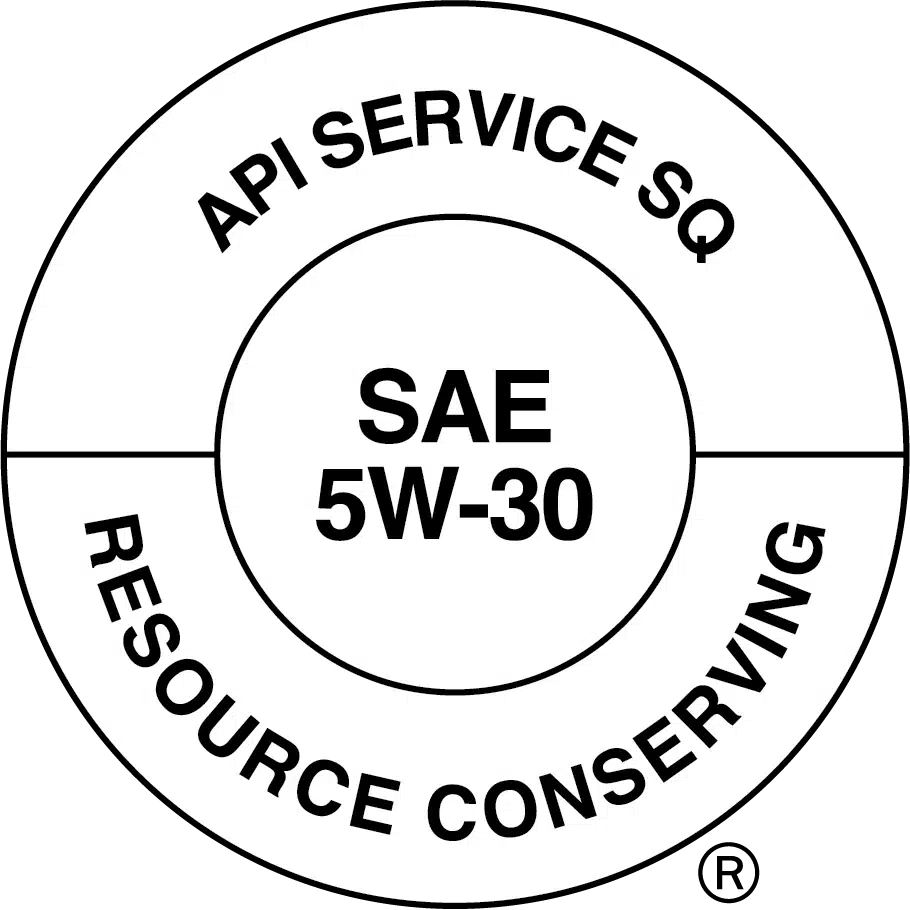
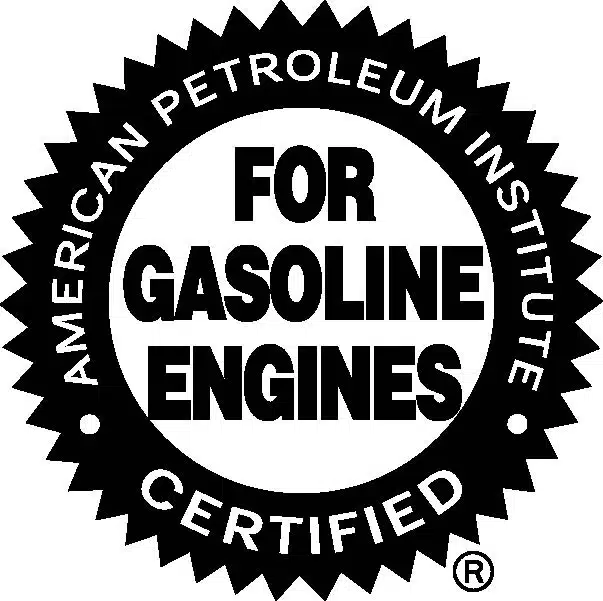
To identify GF-7 motor oils, drivers should look for the API “Starburst” and the API Service Category SQ “Donut” symbols on oil packaging for GF-7A oils. For GF-7B and ultra-low viscosity oils, consumers should look for the API “Shield” mark.
“Those marks are your assurance that the oil has passed the industry’s toughest performance tests,” said O’Ryan.
Impact on the Industry
GF-7 is more than a technical upgrade—it’s a response to the evolving demands of both automakers and regulatory agencies.
“These new oils support the development of more fuel-efficient, lower-emission vehicles,” Nguyen said. “And because GF-7A is backward-compatible, even older vehicles can benefit from the new technology—provided they use the appropriate viscosity grade.”
The Road Ahead
As the automotive landscape shifts toward greater efficiency and tighter emissions standards, lubricant manufacturers are working closely with industry bodies to keep pace.
“Oil marketers like Pennzoil are deeply involved in the development of these specifications,” said Nguyen. “Our role is not only to deliver compliant products but also to educate both consumers and professionals about why these changes matter.”
Bottom Line
With its focus on durability, efficiency, and environmental performance, ILSAC GF-7 represents a major leap forward in motor oil technology. For drivers, it promises longer engine life and better fuel economy. For the industry, it’s a crucial step in meeting the next wave of regulatory and engineering demands.
As these new oils roll out, consumers are encouraged to consult their owner’s manuals and look for API certification marks to ensure they’re choosing the right oil for their engines—old or new.








8 replies
Loading new replies...
Administrator
Well-known member
Administrator
Well-known member
Well-known member
Administrator
Well-known member
Moderator
Moderator
Join the full discussion at the Forum Pickuptrucktalk →