
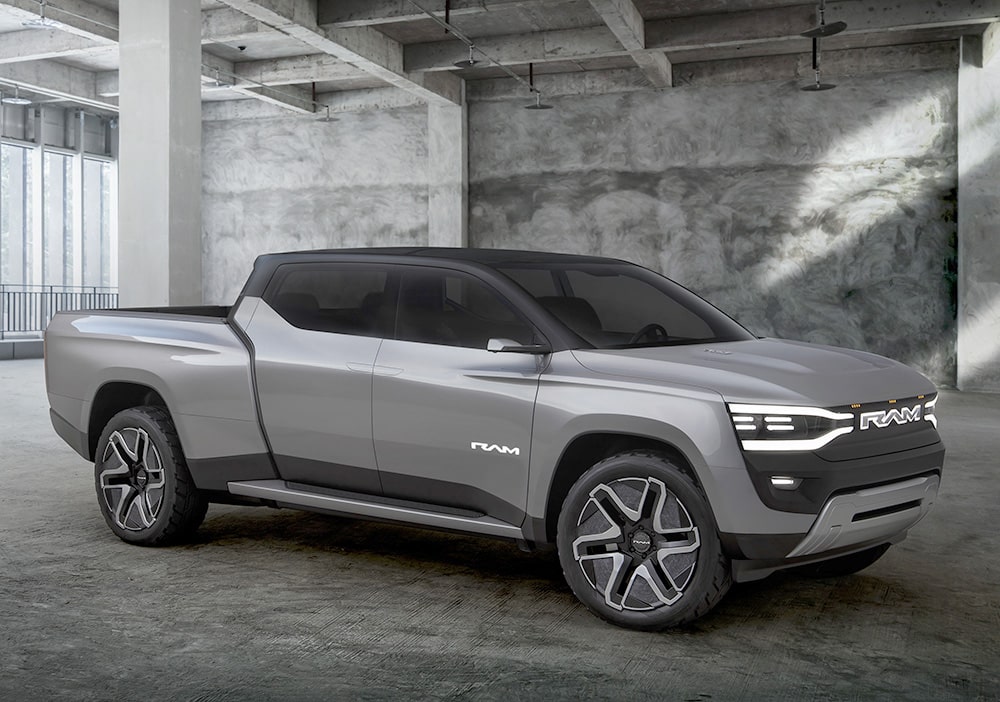
The automotive industry is undergoing a historic transformation, and electric vehicles (EVs) are at the heart of it. With governments setting ambitious emission targets and manufacturers racing to innovate, EVs are no longer a niche product—they’re the future of personal and commercial transportation.
The Rise of EVs: More Than a Trend
Over the past decade, electric vehicles have moved from concept to mainstream. Global EV sales surpassed 10 million in 2023, and forecasts suggest that by 2030, more than 50% of new vehicle sales in developed markets will be electric. This surge is driven by factors such as falling battery costs, the increasing accessibility of salary sacrifice, government incentives, stricter emission regulations, and growing environmental awareness among consumers.
Major automakers like Ford, GM, and Volkswagen are committing billions of dollars to EV development. China and Europe are leading the global EV market, with the U.S. catching up through new investments and infrastructure bills.
As the market matures, a wider range of models is becoming available—from compact city cars to high-performance SUVs and trucks. This variety helps consumers find EVs that meet their lifestyle and budget.
Fleet electrification is also gaining traction, with delivery companies and public transport systems switching to electric power to cut costs and emissions.
Public perception of EVs is evolving, too, with more people recognizing them as practical, reliable, and future-ready options.
Innovations Powering the Shift
Technological advancements are accelerating the adoption of EVs. Battery technology is improving rapidly, offering greater range, faster charging, and longer lifespans. Solid-state batteries, for example, could become commercially viable by 2030, drastically reducing charging times and increasing safety.
In parallel, car software is becoming more sophisticated, allowing seamless integration with mobile apps and home systems. Tesla, Rivian, and Lucid are pushing the boundaries of software-driven vehicles, while traditional automakers are partnering with tech firms to keep pace.
Advanced driver assistance systems (ADAS) are becoming standard in many EVs, setting the stage for full autonomy in the coming years.
Innovations in regenerative braking, lightweight materials, and aerodynamic designs are further enhancing efficiency.
Even maintenance is changing—EVs have fewer moving parts than internal combustion engines, meaning less frequent servicing and lower long-term costs for owners. Fortunately, reviews and featured game boosting services on platforms like NoDepositz can help you pick the right boosting professional—demonstrating how digital tools and peer insights are increasingly shaping user choices, not only in gaming but also in emerging EV ecosystems and tech services.
The Charging Challenge
One of the main hurdles to widespread EV adoption remains charging infrastructure. While urban areas are seeing rapid charger deployment, rural and less-developed regions lag behind. However, this is expected to change. By 2030, many countries plan to have nationwide fast-charging networks, supported by both public and private investment.
The variety of charging speeds—Level 1, Level 2, and DC fast charging—gives users flexibility, but also creates confusion for newcomers.
Standardization efforts are underway to make charging simpler and more compatible across brands and regions.
Wireless charging is being tested in some cities, allowing EVs to recharge without plugging in—this could be revolutionary for taxis and delivery fleets.
Additionally, smart grids and vehicle-to-grid (V2G) technology will allow EVs to interact with the energy system, storing power during off-peak hours and feeding it back when demand is high.
As home charging becomes more widespread, energy management systems will help users optimize their usage and reduce electricity bills.
Environmental and Economic Impact
EVs offer significant environmental benefits by reducing tailpipe emissions. But the full picture includes battery production and energy sourcing. The shift toward renewable energy in national grids will make EVs even greener. Additionally, the EV industry is creating thousands of jobs in manufacturing, software development, and clean energy.
Still, environmental advocates stress the importance of ethical sourcing of materials like lithium, cobalt, and nickel.
Companies are investing in closed-loop battery recycling systems to recover valuable minerals and reduce waste.
Economically, countries investing in EV technology and manufacturing stand to gain a competitive edge in a rapidly shifting global market.
For consumers, the total cost of ownership of an EV is becoming increasingly attractive due to lower fuel and maintenance costs.
As battery production scales up, vehicle prices are expected to fall, making EVs more accessible to the middle class and expanding their reach globally.
Looking Ahead
The road to 2030 is paved with innovation. Consumers can expect greater model variety, more competitive prices, and significantly improved infrastructure. As electric vehicles become the norm rather than the exception, they’ll play a pivotal role in shaping a cleaner, smarter, and more sustainable future for mobility.
New mobility concepts—like car-sharing platforms and subscription-based ownership—are expected to grow alongside EV adoption.
Urban planning will also evolve, with more cities building EV-friendly infrastructure such as dedicated lanes, smart parking, and green zones.
Governments are expected to introduce stricter emission bans for combustion engines, pushing the market further toward electric.
Automakers who fail to embrace the EV revolution risk falling behind, while startups with innovative ideas have a chance to disrupt the industry.
By the end of the decade, the automotive world may look very different—quieter, cleaner, and far more connected than ever before.