
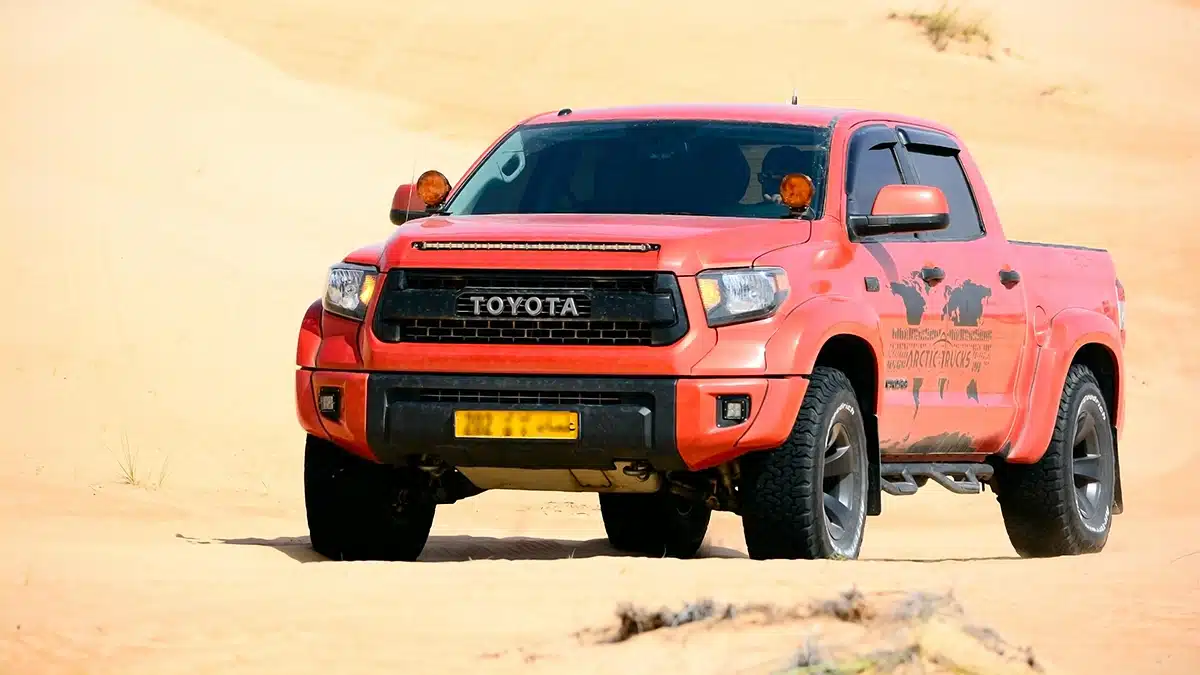
Photo by Soumith Soman from Pexels
Your Toyota Tundra might look the part. But is it really ready for the trail? Rugged terrain exposes every weakness. Stock parts struggle under pressure. Steep climbs, uneven ground, deep ruts. These demand more than factory specs. It takes more than power. It takes precision, balance, and smart upgrades.
You don’t need a full overhaul to start. What matters is knowing where your truck falls short and what to fix first. Grip. Clearance. Protection. Lighting. Each one plays a role. A trail-ready build comes together piece by piece. With every smart addition, your Tundra becomes more reliable when it matters. When you’re far from pavement and every bolt has a job to do.
Start with a Purpose: What Kind of Trails Are You Tackling?
Before making upgrades, think about where you’re going. Trails aren’t all the same. Some are slow, rocky climbs that test your suspension. Others are fast dirt roads that shake every loose bolt. What you drive on should shape what you build.
Don’t follow someone else’s setup just because it looks tough. If your weekends mean forest roads and light overlanding, you’ll want different gear than someone tackling boulders or deep mud. The right build makes a reliable truck. It matches your terrain, your pace, and your comfort level. Start there.
Spend time researching common upgrades for your type of driving. Then walk out to your truck. Look at the tires. Think about your ground clearance. Go online and explore available mods and accessories for the Toyota Tundra. Think about basics like a first aid kit, a stash of water, and other First Aid and CPR. The goal isn’t to max out everything. It’s to fine-tune your truck so it performs better where you actually drive.
Suspension Upgrades for Real Ground Control
Stock suspension is built for comfort on paved roads. Off-road trails are a different story. Ruts, rocks, and sudden drops push your suspension to its limit. If your truck bottoms out or bounces too much, it’s time for an upgrade.
Start with better shocks. Remote reservoir shocks handle heat and abuse better than factory ones. Add control arms if you’re lifting the truck. These help maintain alignment and improve wheel travel. The goal isn’t height alone—it’s control. A stable ride keeps your tires on the ground, which means better traction and fewer problems.
Upgrading your suspension doesn’t have to mean going extreme. Focus on what improves your ride in real conditions. You’ll feel the difference the first time you drop into a deep wash or crawl through uneven ground without scraping. A good suspension setup makes the trail feel smoother and your Tundra feel stronger.
Tire and Traction Enhancements That Deliver
Traction makes or breaks your off-road experience. Without it, even the most powerful truck spins in place. That’s why your tires matter more than most upgrades. Size, tread pattern, and pressure all play a role. Bigger isn’t always better. What matters is how well your tires grip the surface under stress, especially during long stretches of overland travel where conditions constantly change.
If you drive through sand or snow, wide all-terrain tires with flexible sidewalls help float over soft ground. For rocks and mud, you’ll want deeper lugs and tougher construction. Don’t forget a full-size spare. Trails are rough, and punctures happen when you least expect them.
Locking differentials change the game when things get slippery. One spinning tire no longer stops your progress. Paired with the right tire setup, lockers give your Tundra the traction it needs to climb, crawl, and power through without hesitation. It’s the kind of upgrade that proves itself the moment conditions turn ugly.
Armor It Up: Protect What Matters
Trails don’t go easy on your undercarriage. Rocks, tree roots, and unexpected drop-offs can crack vital components in seconds. Skid plates shield your oil pan, transfer case, and fuel tank from damage. Think of them as insurance for your adventure.
Factory bumpers may look solid, but they aren’t built for impact. Steel bumpers improve approach and departure angles while giving you real protection. Many come winch-ready and include recovery points. That matters when you’re stuck and need to be pulled out safely.
Rock sliders do more than protect your doors. They support the truck’s weight when sliding over obstacles. Without them, a misstep could mean crushed panels or bent frames. When the trail gets tight or technical, this armor gives you the confidence to keep going without worrying about costly damage.
Power and Visibility: Electrical and Lighting Mods
Dark trails demand more than your factory headlights. Shadows hide dips, branches, and sharp turns. Upgrading your lighting gives you a clear view of what’s ahead—and what’s beside you. Start with ditch lights or a light bar. Mount them high for wide, even coverage.
If you’re running multiple accessories, like lights, a fridge, or an air compressor, upgrade your electrical system too. An auxiliary fuse box and toggle switches keep things safe and organized. For longer trips, a dual battery setup keeps everything running without draining your main power source.
Good visibility changes how you drive. It gives you the confidence to take the trail before sunrise or stay out after dark. Add lights where you need them most. Wire them clean. Then head out knowing your truck can handle the night as well as it handles the day.
Storage and Bed Management for the Long Haul
Off-roading isn’t always a short trip. If you’re heading out for the weekend or longer, how you pack matters. Gear bouncing around in the bed can get damaged—or cause damage. A secure setup keeps everything in place and easy to reach.
Start with a bed rack or modular drawer system. These let you store recovery tools, camping gear, or spare parts without clutter. Rooftop tents and cargo boxes add vertical space without eating up the bed. The goal is smart storage, not more storage.
Weight matters too. Keep heavy gear low and centered to avoid throwing off your balance. A lopsided load can affect traction and make your Tundra feel unstable on uneven ground. Pack with care, tie everything down, and keep essentials within arm’s reach. The right setup lets you stay out longer and move with confidence, no matter how rough the trail gets.
Wrapping Up
A trail-ready Tundra doesn’t happen by accident. It’s built through choices that match your terrain, your goals, and your style of adventure. Every upgrade brings your truck closer to what it should be—reliable, capable, and ready for more. The trail will test you. It’ll test your truck too. But with the right setup, you won’t hesitate. You’ll hit the dirt, grip the wheel, and drive forward with confidence.