Winter can be beautiful, with snow-laden trees in your yard and cozy mornings indoors. But blinding snow, icy roads, fog, and unpredictable drivers can quickly make winter driving a challenge. While winter conditions are out of your control, you can take charge of your driving habits. Here are some of the biggest winter driving mistakes that can raise your car insurance coverage premiums and end up costing you both money and safety.
1. Speeding on Icy Roads
Speeding is always dangerous, but it becomes even more of a hazard in wintry conditions. Ice and snow reduce traction, making it harder to stop quickly and therefore increasing your odds of an accident. Insurance companies take note of such incidents, and multiple speeding tickets or at-fault accidents can drive up your premiums. Even if you’re a skilled driver, remember that slower is always better.
2. Not Clearing Snow/Ice from Your Car
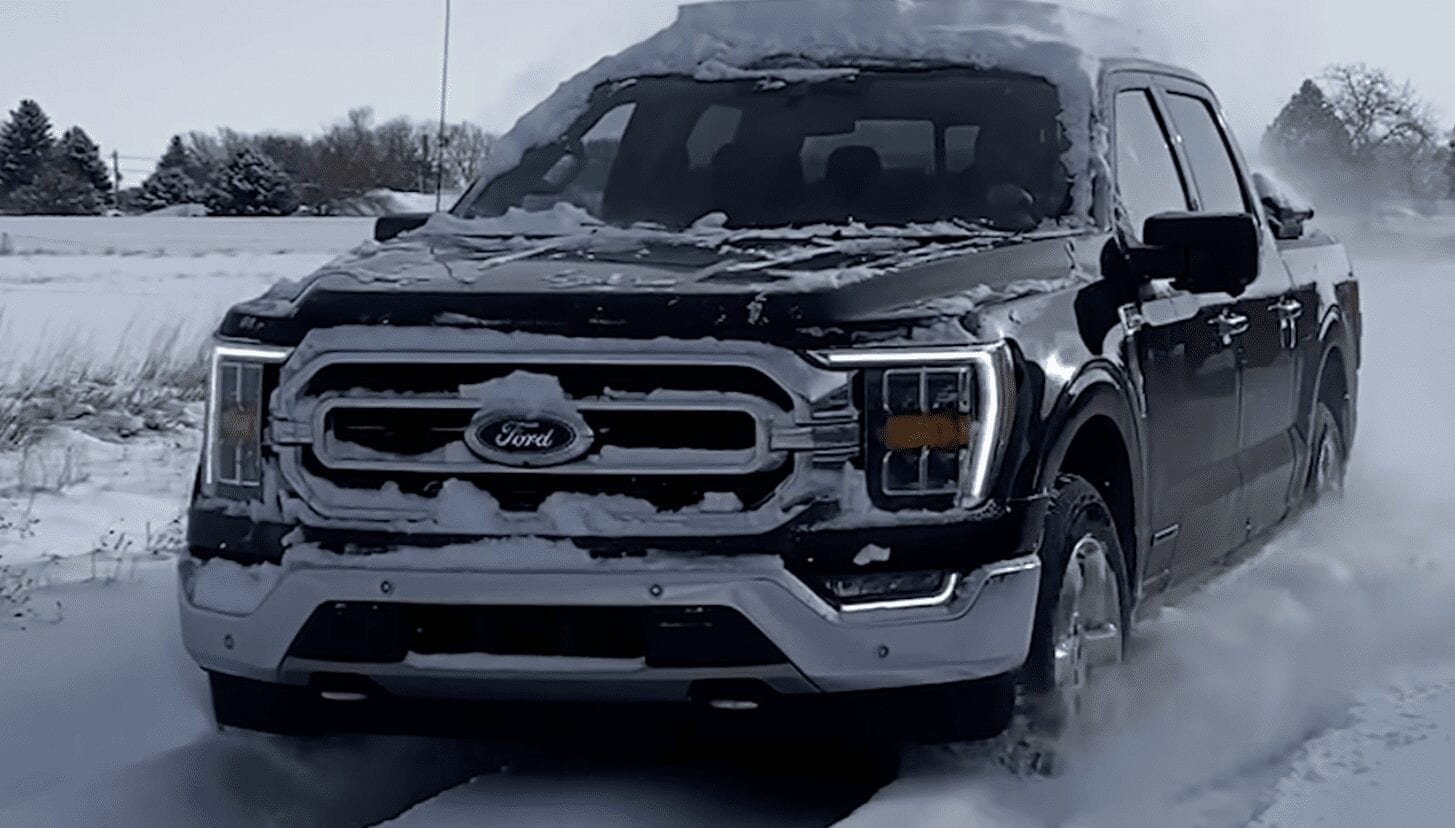
If you’ve ever been in a hurry on a cold morning, you know the temptation of driving with just a small cleared patch on your windshield. Failing to remove all the snow and ice from your car is not only dangerous but could also result in fines, depending on local laws. Snow left on the roof can slide down and block your windshield or fly off and hit another vehicle, potentially making you liable for damages and upping your premiums in the process.
3. Ignoring Tire Maintenance
There’s nothing more frustrating than seeing that “low tire” light on your dashboard every time the temperature drops. But your tires are your first line of defense against wintry conditions, and worn or underinflated tires make it harder to grip the road, increasing the likelihood of accidents. If your insurance company finds that improper tire maintenance contributed to a crash, they may raise your rates or even deny certain claims. Investing in winter tires and regularly checking air pressure and tread depth can keep you safer and help avoid those unnecessary premium hikes.
4. Sudden Braking & Hard Acceleration
Slamming on the brakes or accelerating too quickly on icy roads is a surefire way to lose control of your vehicle. Skidding and sliding into another car (or a ditch) can lead to an at-fault accident, which will definitely raise your insurance rate. Before winter weather conditions hit, practice gentle braking and smooth acceleration to maintain control of your vehicle when conditions deteriorate.
5. Driving Without Enough Coverage
When it comes to winter driving, having adequate car insurance coverage is crucial. Standard liability coverage may not be sufficient if you find yourself in a severe accident caused by icy roads or whiteout conditions. Additionally, if your car is damaged by hail, falling ice, or other winter-related hazards, having comprehensive coverage can make all the difference. Skimping on coverage to save money can backfire when claims are denied or when you’re left paying out of pocket. Make sure your policy includes coverage for weather-related incidents, and consider adding options like collision and comprehensive coverage to better protect yourself and your vehicle during the winter months.
Many drivers opt for the bare minimum cheap auto insurance to save money, but if you cause a pile-up or slide into an expensive vehicle on an icy interstate, your liability coverage might not be enough to cover damages. That means you’ll have to pay out of pocket. If you’re looking to save a few dollars while ensuring comprehensive coverage, look for cheap car insurance options that protect you — and others — in the event of storm damage or accidents.
6. Following Too Closely
Snow and ice increase stopping distances, and if the car in front of you brakes suddenly, you may not have enough time to react. Rear-end collisions are almost always considered the fault of the driver in the back, and at-fault claims lead to higher insurance rates. Keeping a generous following distance can help prevent fender benders or worse.
7. Poor Visibility Prep
Your windshield wipers and washer fluid are crucial for maintaining visibility in snow and slush. Be sure to replace worn wiper blades and regularly top off your washer fluid reservoir to ensure you can see out your windshield, even in lower-visibility conditions. Also, check your headlights.
Winter driving requires extra caution, and avoiding these bad habits can help keep your insurance premiums in check. By driving at safe speeds, maintaining your vehicle, preparing for hazardous conditions, and making sure you have the right amount of car insurance coverage, you can reduce your risk of accidents — and the insurance rate hikes that come with them.