
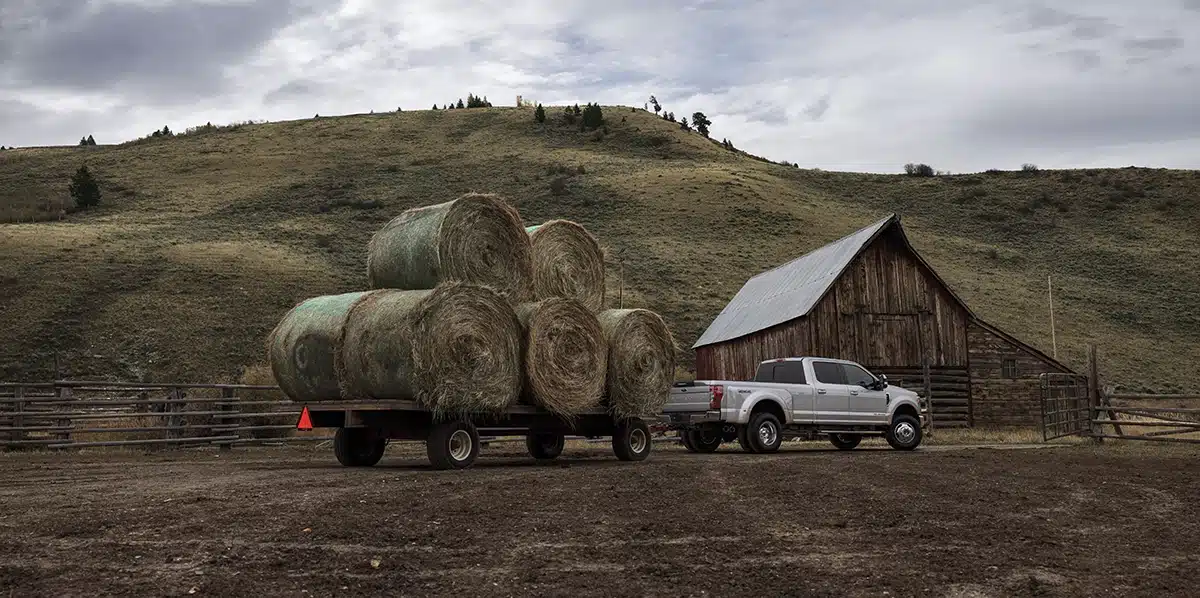
A recent EPA deregulation announcement has stirred up quite the buzz online about deleted diesel trucks and the removal of diesel emissions equipment now being legal. This popular modification with diesel owners is aimed at improving the diesel’s performance although it is illegal under Federal law.
[RELATED CONTENT: BILL REAUTHORIZING DIESEL EMISSIONS REDUCTION ACT INTRODUCED IN THE HOUSE]
EPA Deregulation Announcement
The announcement was part of the “largest deregulation day” in the EPA’s history according to, well, the EPA.
There were 31 directives issued that day, and the one that has the diesel owner’s attention is listed under “Lowering the Cost of Living for American Families.”
It says: “Reconsideration of light-duty, medium-duty, and heavy-duty vehicle regulations that provided the foundation for the Biden-Harris electric vehicle mandate (Car GHG Rules).”
What are the Car GHG rules?
The Car GHG (greenhouse gases) rule sets emissions standards for pollution from vehicles. Specifically, the EPA is looking at the latest rule that is being phased in starting 2027 through 2032.
Here’s where the law is currently.
“On March 20, 2024, EPA announced new, more protective final standards to further reduce harmful air pollutant emissions from light-duty and medium-duty vehicles starting with model year 2027. The final rule builds upon EPA’s standards for federal greenhouse gas emissions standards for passenger cars and light trucks for model years 2023 through 2026, established in 2021, and leverages advances in clean car technology to unlock benefits to Americans ranging from improving public health through reducing smog- and soot-forming pollution from vehicles, to reducing climate pollution, to saving drivers money through reduced fuel and maintenance costs. These standards will phase in over model years 2027 through 2032.”
This new rule was aimed at further reducing smog through increasing the size of the catalytic converters and adding gasoline particulate filters on gas engines according to our sources in our video “EPA On Truck Reliability, Maintenance and Changes to Catalytic Converters.”
There was nothing in the new rule impacting diesel engines in trucks with new emissions equipment. It kept the same emissions standards in place for diesel engines per our sources.
Why delete a diesels emissions equipment?
Removing the diesel emissions equipment has been a common practice since the introduction of these systems nearly 20 years ago.
Owners of deleted diesel trucks claim removing the equipment improves fuel economy, reduces expensive repairs and improves overall reliability.
However, It is illegal to tamper with the emissions equipment.
According to attorneys at The Clark Law Office, truck owners should be aware that deleting emissions systems can still carry significant legal risks, even with recent changes in EPA enforcement.
During the prior administration, the EPA stepped up enforcement efforts leading to massive fines for companies producing emissions equipment removal kits.
Clean Trucks Plan
In another press release, the EPA announced it was going to look into a rule that would impact diesel engine truck owners.
“Additionally, EPA is reevaluating the other parts of the Biden EPA’s problematic ‘Clean Trucks Plan.’ This includes the 2022 Heavy-Duty Nitrous Oxide (NOx) rule, that results in significant costs that will make the products our trucks deliver, like food and other household goods, more expensive.”
This rule was rolled out during a three-year period and aimed at reducing emissions from heavy-duty trucks.
“On August 5, 2021, EPA announced plans to reduce greenhouse gas emissions and other harmful air pollutants from heavy-duty trucks through a series of rulemakings over the next three years. The first rulemaking of this Clean Trucks Plan was the final rule, Control of Air Pollution from New Motor Vehicles: Heavy-Duty Engine and Vehicles Standards, signed on December 20, 2022. Two additional rulemakings, the Phase 3 greenhouse gas rule for heavy-duty engines and the rule for multi-pollutant emissions standards for light-duty and medium-duty vehicles, were signed in March 2024, and the Clean Trucks Plan is now complete.”
This plan was really aimed at moving the commercial fleet from diesel engines to battery electric powertrains.
California’s air resource board also requested a waiver to aggressively implement this rule and several other states joined in.
On January 13, 2025, California rescinded its request for the waiver.
Texas adds air quality check stations?
In a related move, the day after making the deregulation announcement, the EPA announced it granted a Texas state plan to improve air quality around San Antonio, Texas, including Bexar County.
This plan will “implement vehicle inspection and maintenance requirements in Bexar County.”
“The Clean Air Act lays the groundwork for one of EPA’s most important core responsibilities—to improve air quality for all Americans,” said Regional Administrator Scott Mason. “EPA will continue to work with the state of Texas to develop sensible plans for addressing air pollution and helping San Antonio meet air quality standards.”
This approval means Texas will expand its “existing inspection and maintenance program and require implementation in Bexar County by November 7, 2026. The program requires annual on-board diagnostics testing of gasoline-powered vehicles between 2-24 years old in Bexar County.”
The EPA further states this is necessary to meet the “Clean Air Act requirements through the identification and maintenance of vehicles with malfunctioning emission control systems.”
Currently, diesel and motorcycles are excluded from the testing program.
This is part of plan to aggressively clear a backlog of 683 requests by states looking for clarity around air quality monitoring and help them implement emissions rules to benefit their air quality.
EPA did this before
In President Trump’s first term in office, he directed the EPA to do a very similar thing that was just announced.
It was part of his SAFE vehicles rule. This was part of a new CAFE (corporate average fuel economy) standard that was put into place on March 31, 2020, during the last few months of his term.
This rule was aimed at reducing the fuel economy standards to a more reasonable target. It didn’t roll back the rules completely according to a NHTSA.gov Q&A document.
“The required fuel economy of average vehicles will continue to increase each year under this rule. The SAFE Vehicles Rule will increase fuel economy standards by 1.5% per year for model years 2021 to 2026, an improvement over the costly and unrealistic level of about 5% per year under the standards set in 2012. Much of the auto industry is unable to meet those standards today, which contributes to making new vehicles unaffordable for many American families.”
His administration celebrated the news with the following statement on the TrumpWhiteHouse.gov page listing his many accomplishments during his term in office.
“Repealed the previous administration’s costly fuel economy regulations by finalizing the Safer Affordable Fuel Efficient (SAFE) Vehicles rule, which will make cars more affordable, and lower the price of new vehicles by an estimated $2,200.”
At that time, the average new vehicle price was $38,000 according to the Q&A article. Kelley Blue Book states the average new vehicle price as of January, 2025 is $49,740.
Our take
This brings us to the ultimate questions: Is your deleted diesel truck now legal and is it legal to now delete your diesel engine? Those questions have the same answer. No. There is nothing in what was announced to suggest it would be legal to do so.
In fact, what the Texas state emission regulation approval showed is the EPA is focused on implementing the Clean Air Act as it is required to do so by law.
If we follow the results from last time, we will see not a roll back of any emissions standards rather a revising of the fuel economy target.






17 replies
Loading new replies...
Administrator
Administrator
Administrator
Moderator
Well-known member
New member
Well-known member
Well-known member
Moderator
Moderator
Administrator
Join the full discussion at the Forum Pickuptrucktalk →