
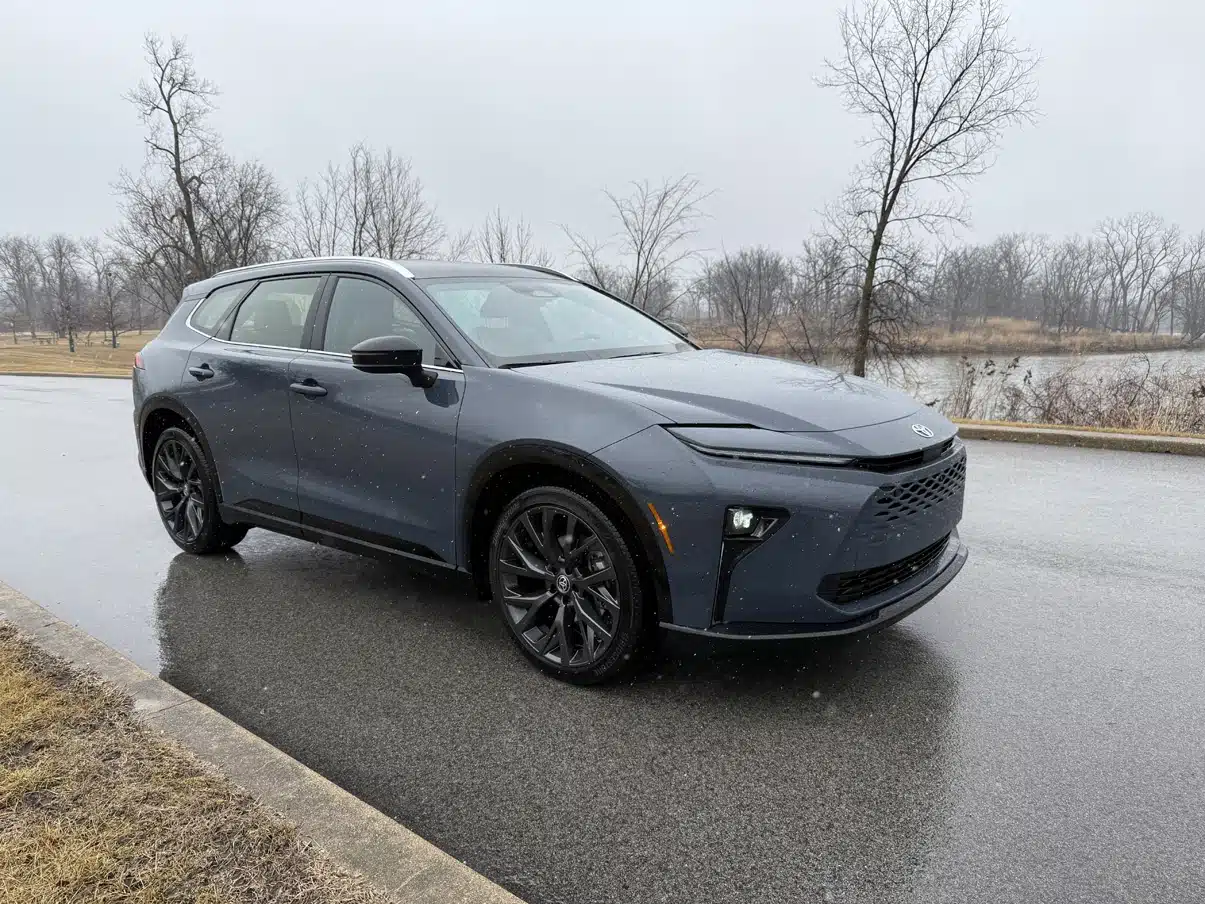
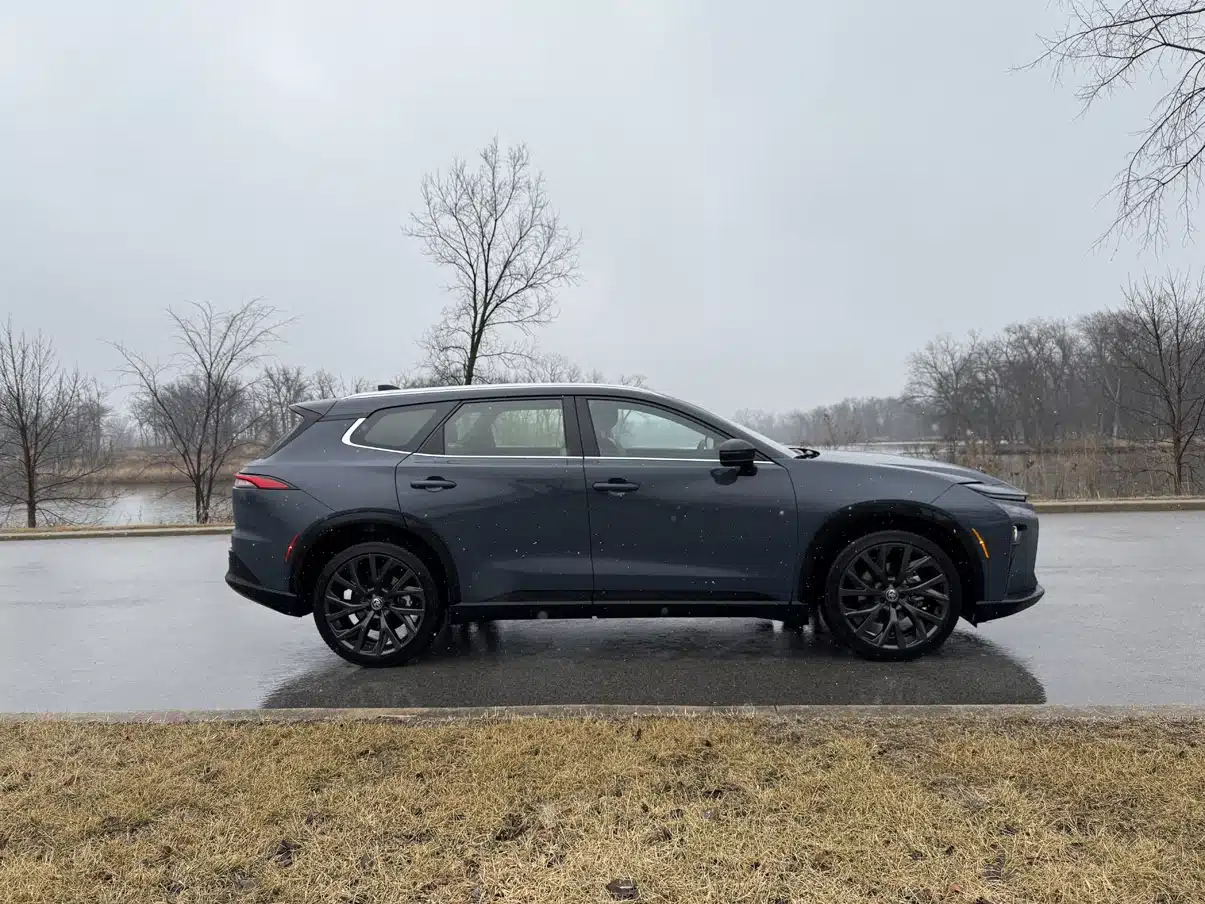
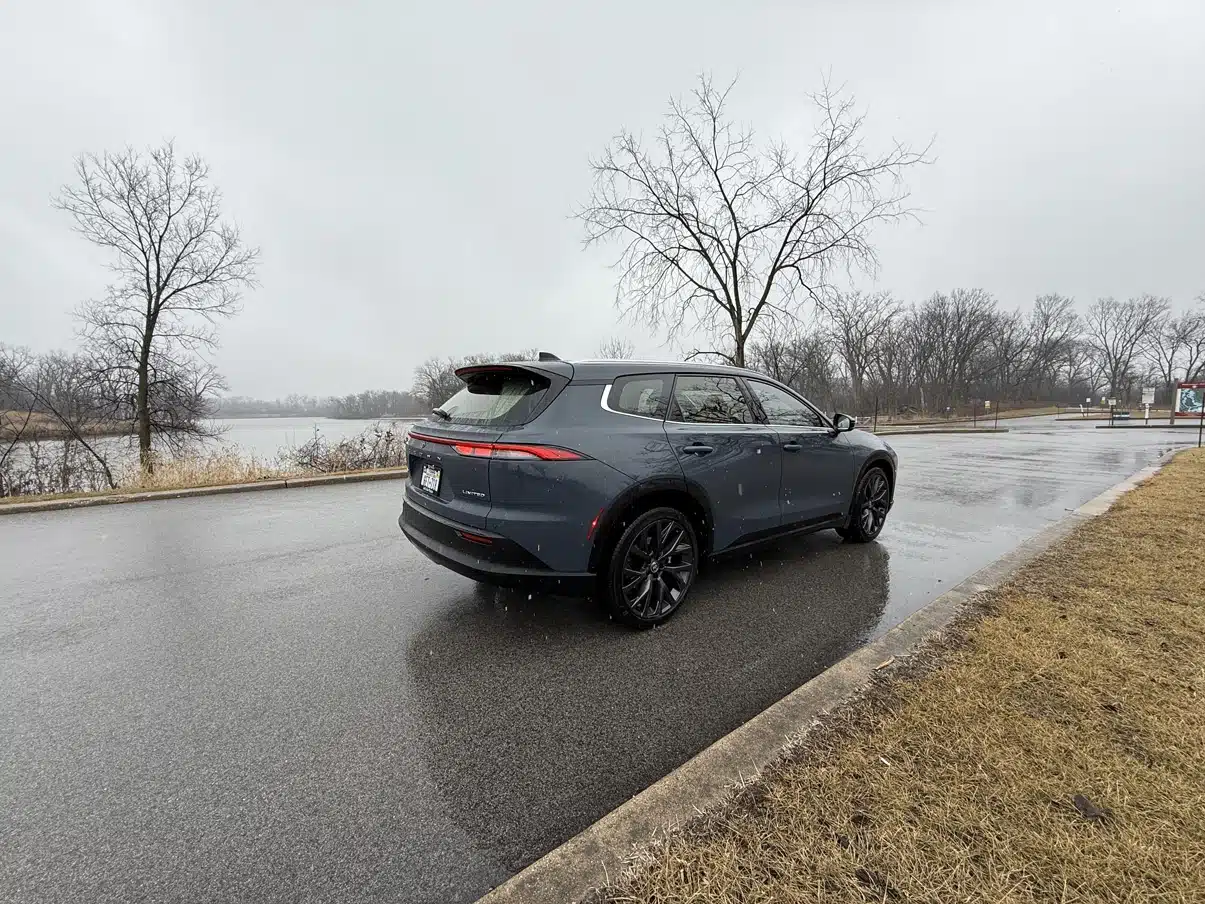
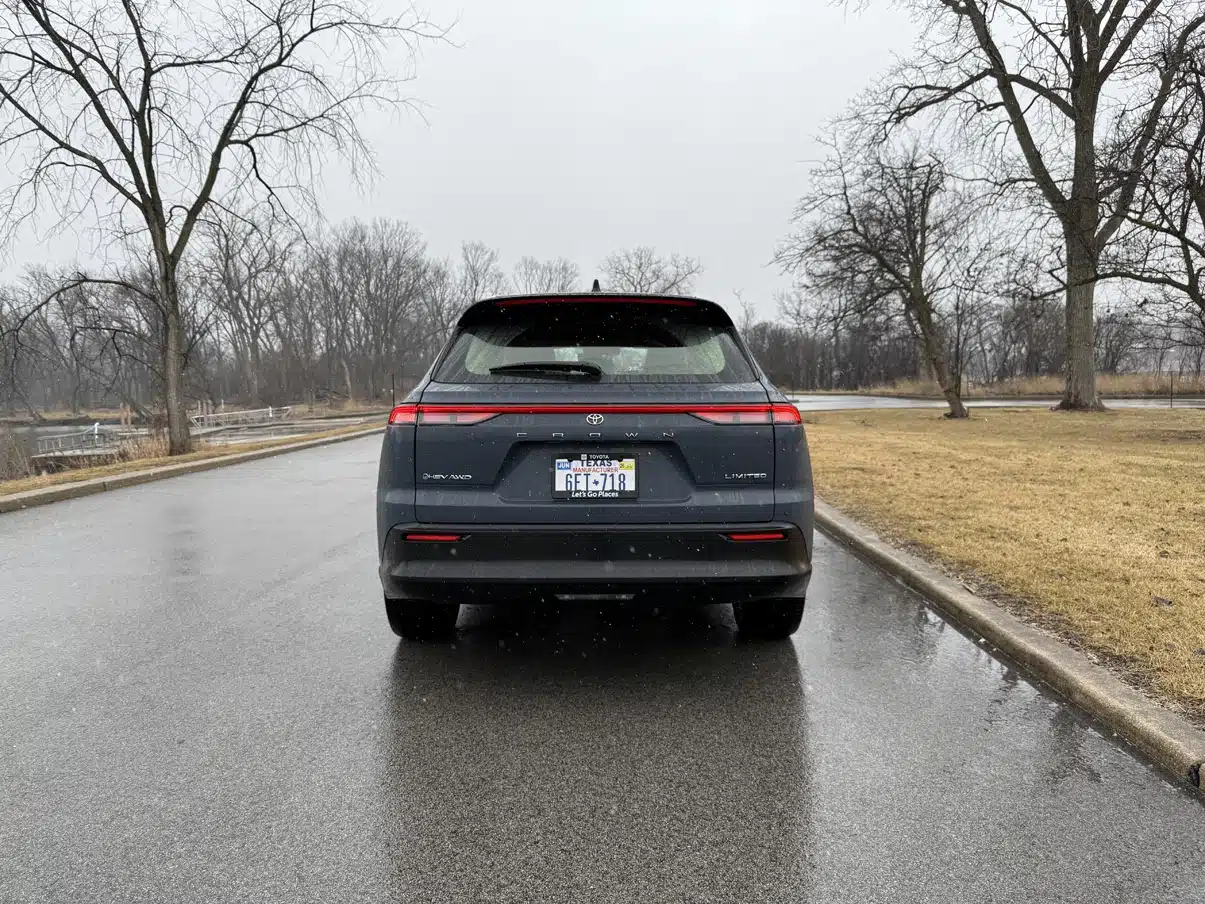
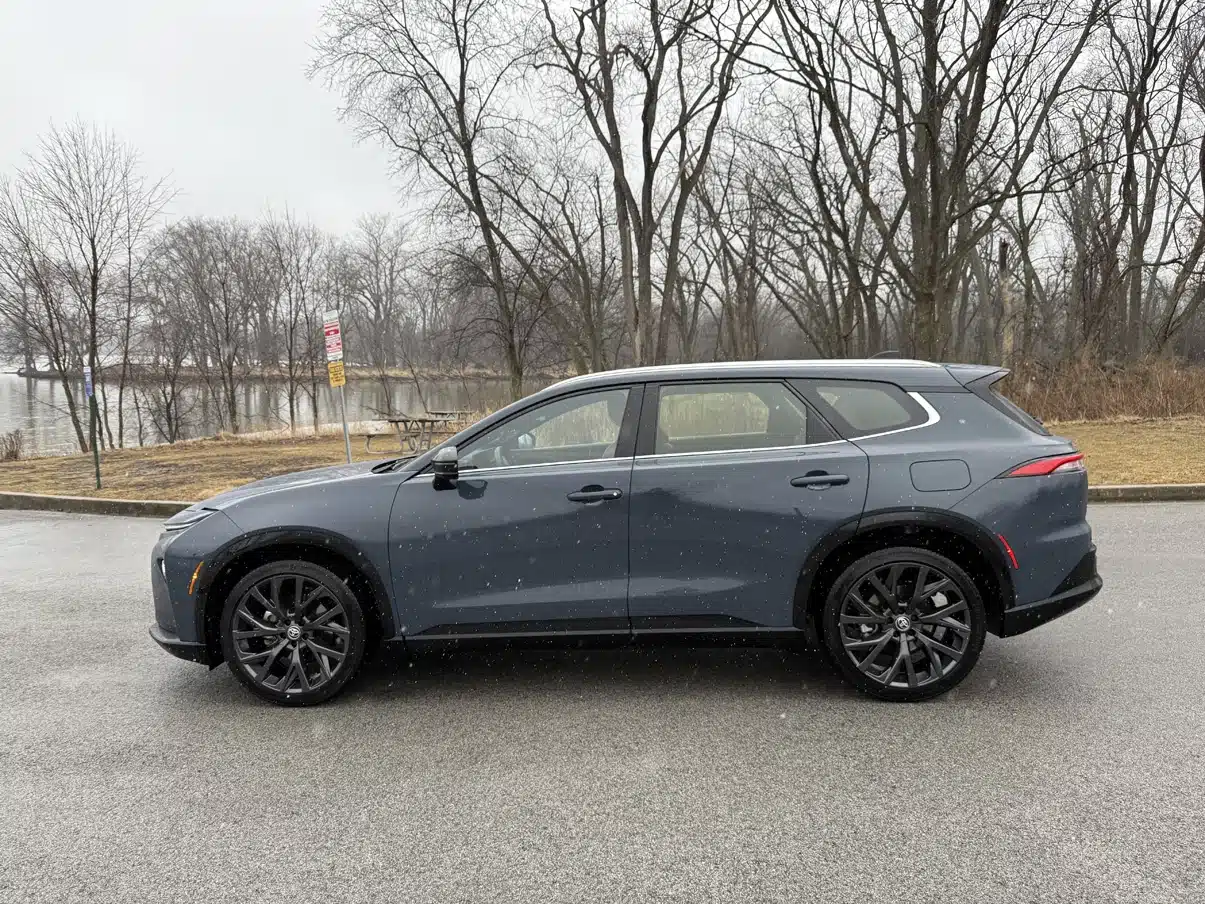
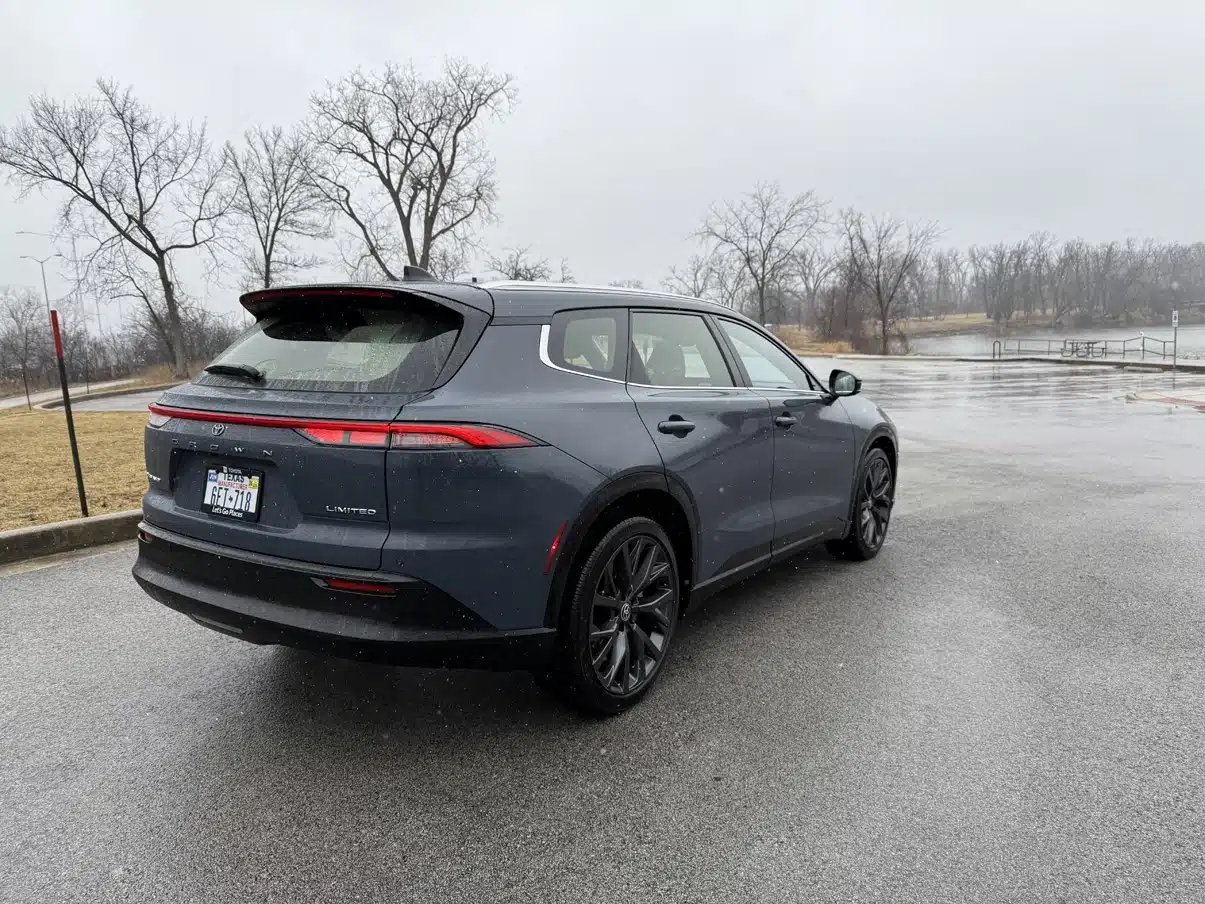
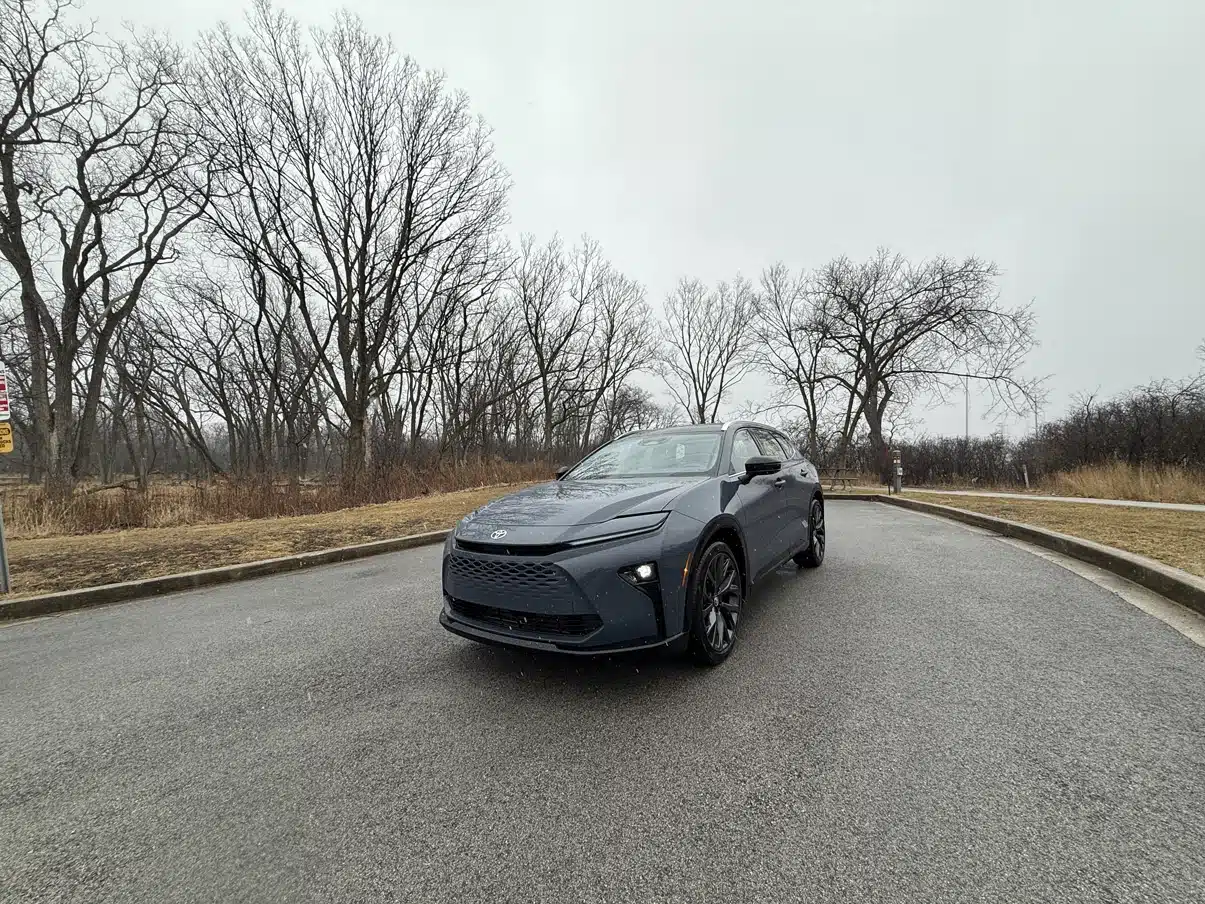
I’ll be honest, I think the 2025 Toyota Crown Signia looks more like a wagon than an SUV – not that I consider that a bad thing. However, that might hurt its chances for success in the American market, which trends toward blocker SUVs these days. But during my brief at-home test, I found this new midsize SUV from Toyota to be a very livable vehicle with functional utility and comfortable driving dynamics.
So, let’s dig into the some of the good things and the bad things on the 2025 Toyota Crown Signia.
The good things
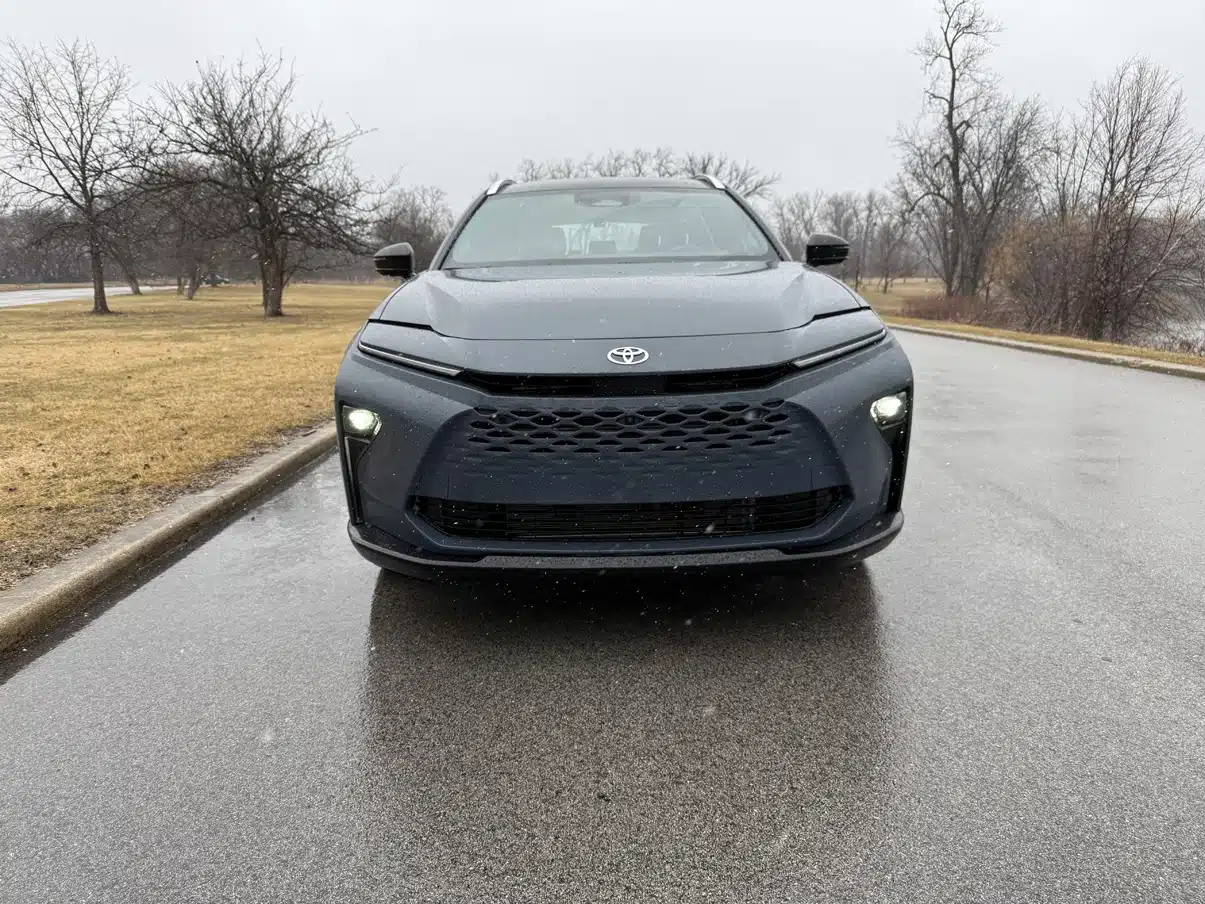
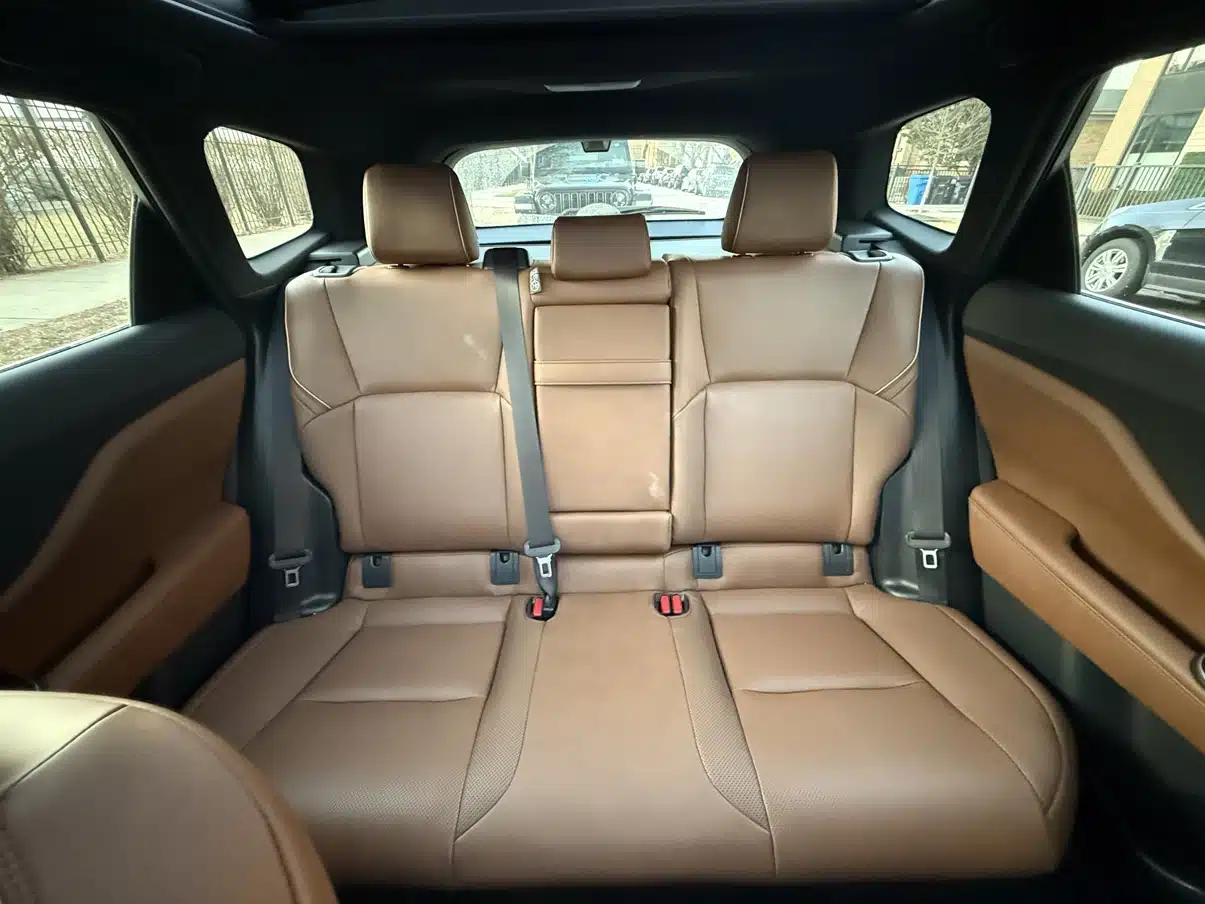
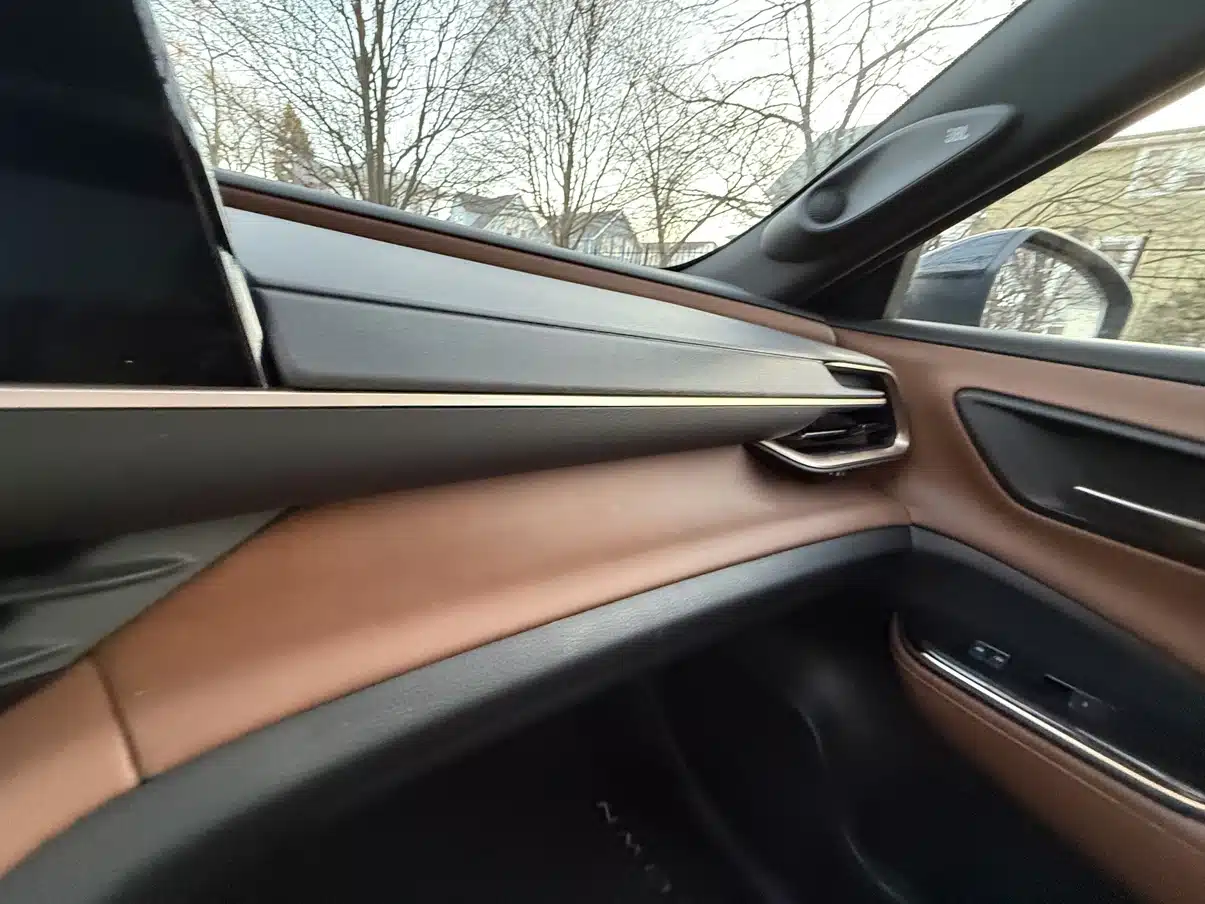
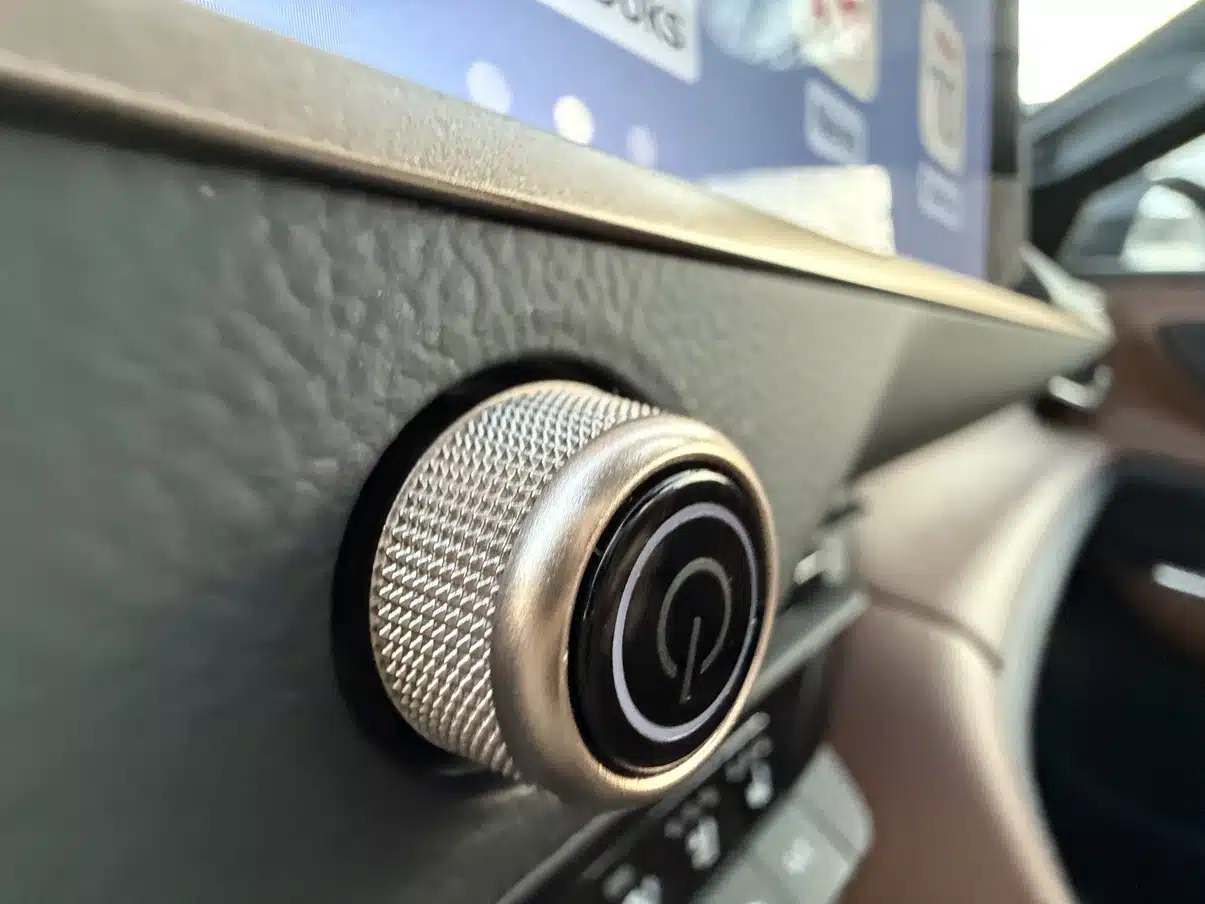
Let’s start with the design. I know beauty is in the eye of the beholder, but to my eye, the overall effect is handsome. This midsize SUV looks like a cross between the new Toyota Prius and the new Lexus RX, and the interior, in addition to having nice accents, is functionally intuitive with actual buttons and dials. The Limited trim test vehicle had saddle-brown leather seats and trim pieces that added to the attractiveness.
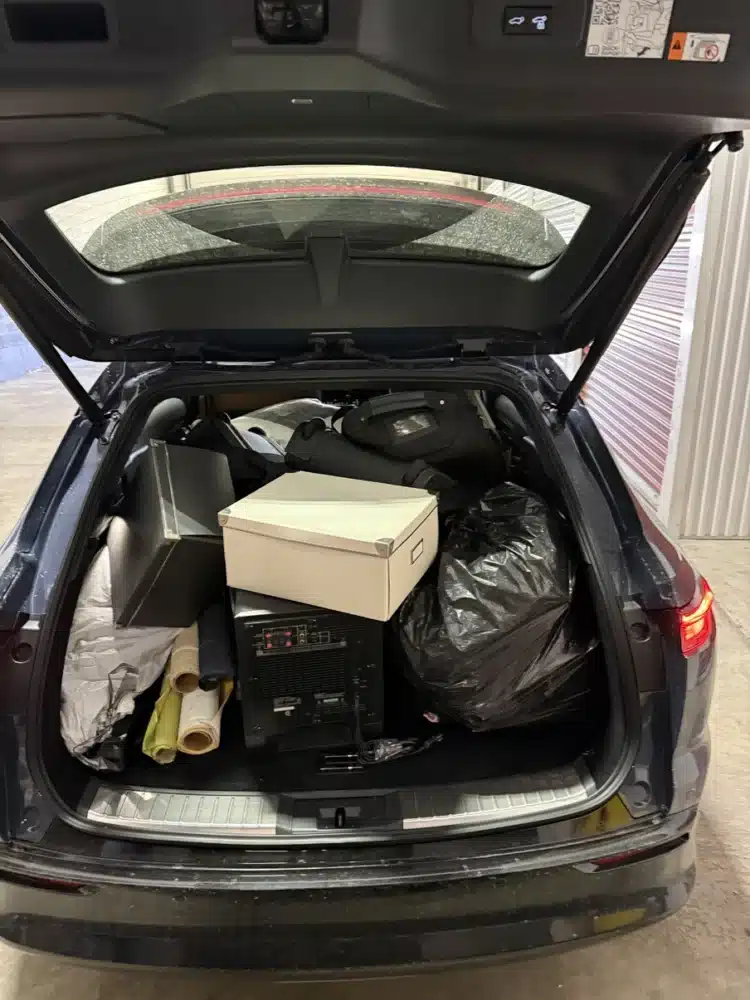
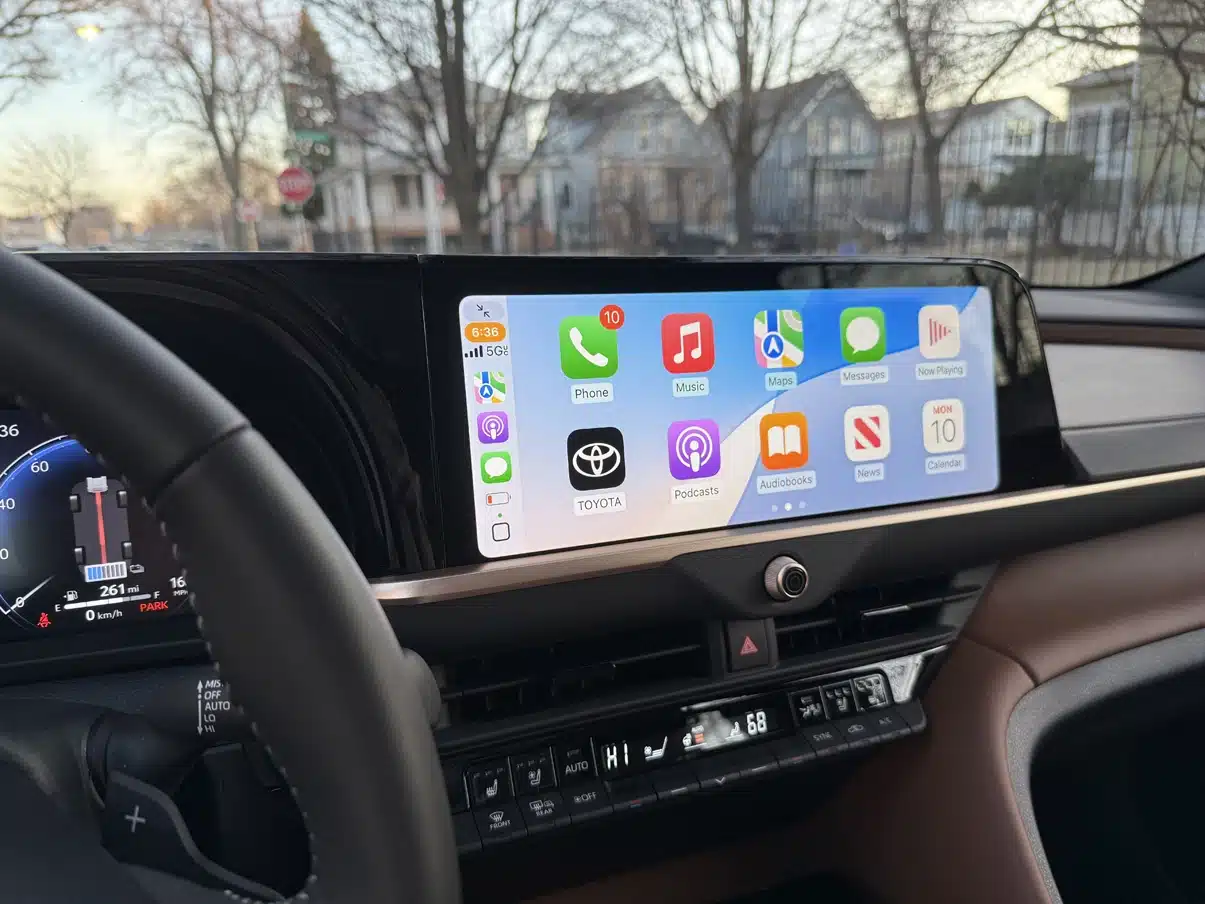
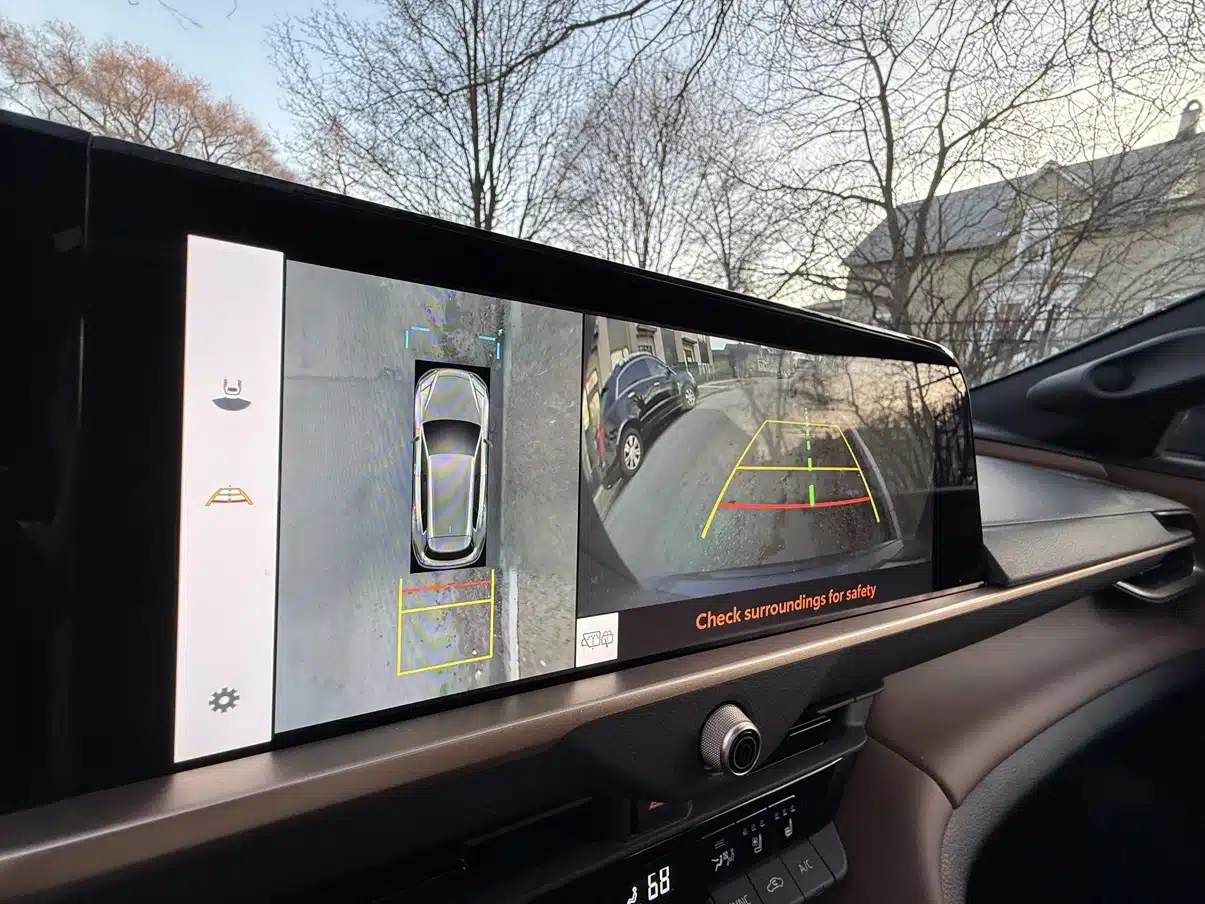
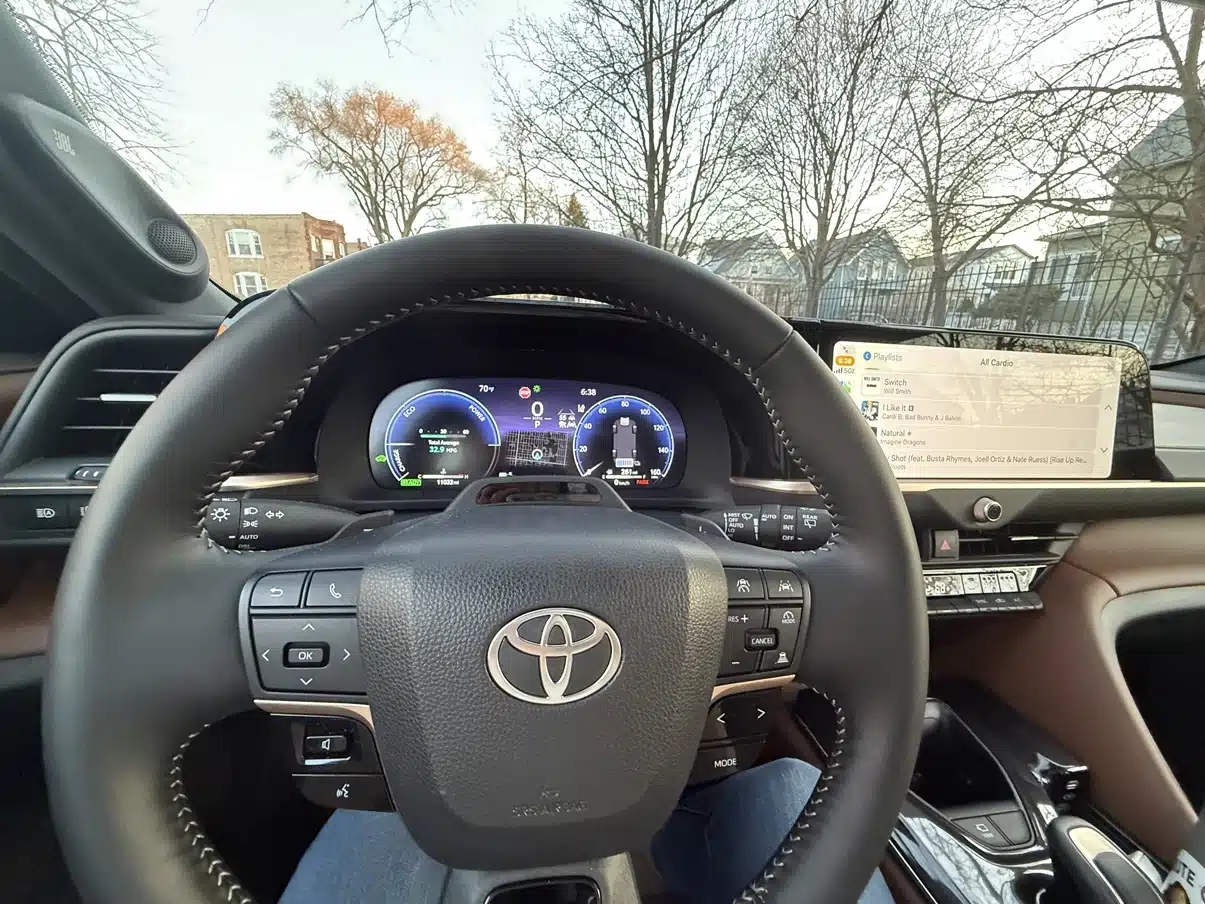
The technology is another high point. I really like the new Toyota infotainment system. I like the natural voice commands, the large 12.3-inch screen, wireless Apple CarPlay/Android Auto, and the camera technology. Digging into the latter item, the test vehicle had both a 360-degree camera and a rear camera mirror. The multitude of camera views are helpful in tight city spaces, and that rear camera mirror came in handy when I was cleaning out my storage locker and packed the cargo area to the roof.
Speaking of the cargo area, as I started digging into my storage unit, I realized I had items I needed to take home, stuff I needed to donate and a whole bunch of trash. Thinking of the wagonlike proportions of the 2025 Toyota Crown Signia, I was a bit concerned we’d be able to get everything in one go. But other than the six banker’s boxes of papers to shred, we managed just fine.
Even though this was a Limited trim, a lot of the up-level features I appreciated are included on the base XLE, and that includes heated-and-ventilated front seats, heated rear seats, dual automatic climate controls, all-wheel drive, passive entry on all doors, and all the standard safety tech.
Ride and comfort also lands in the plus column for the Crown Signia. The seats are just the right shade of firm with plenty of squish where you need it, and the vehicle itself is more on the posh side of the ride, muting rough roads (which is a bonus in pot-hole-ridden places like Chicago), and the interior is quiet at highway speeds.
The bad things
In the minus column, I’m going to start with the powertrain. It has the same hybrid system you’ll see in the base Toyota Crown, which is a 2.5-liter, 4-cylinder hybrid system. It delivers 240 horsepower (which is 4 horsepower more than the Crown), and while I didn’t not like this powertrain in the sedan (yes, I purposely used a double negative here), I didn’t think it worked in the SUV. For me, it just didn’t have enough get-up-and-go. It was fine, but nothing special. I’d like to see the Hybrid Max powertrain in the Crown Platinum make its way over to the Crown Signia. That would be special.
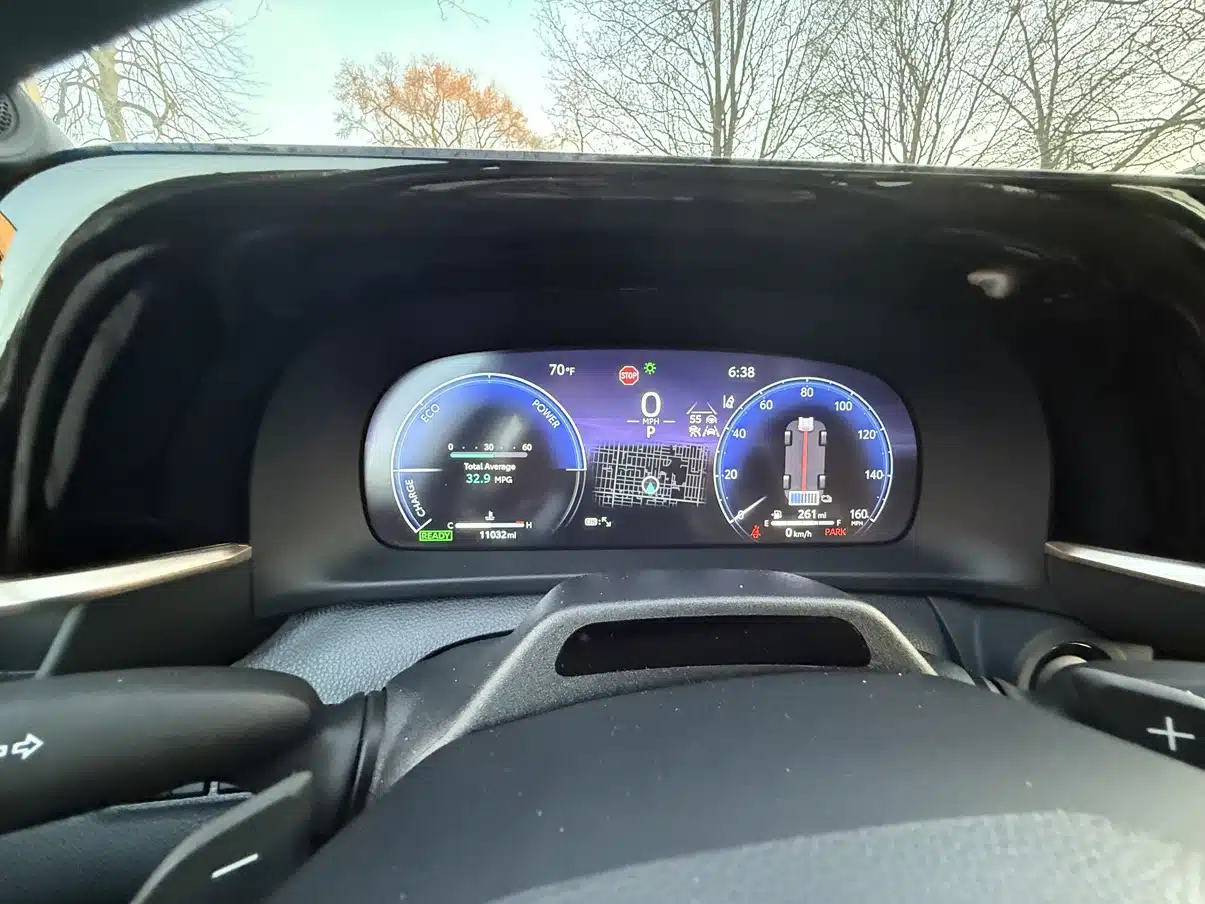
Along with the powertrain, I found that I did not get the EPA estimated fuel economy. Combined driving should bring 38 MPG, and the best I averaged was just 32.9 MPG. That was disappointing for a Toyota hybrid.
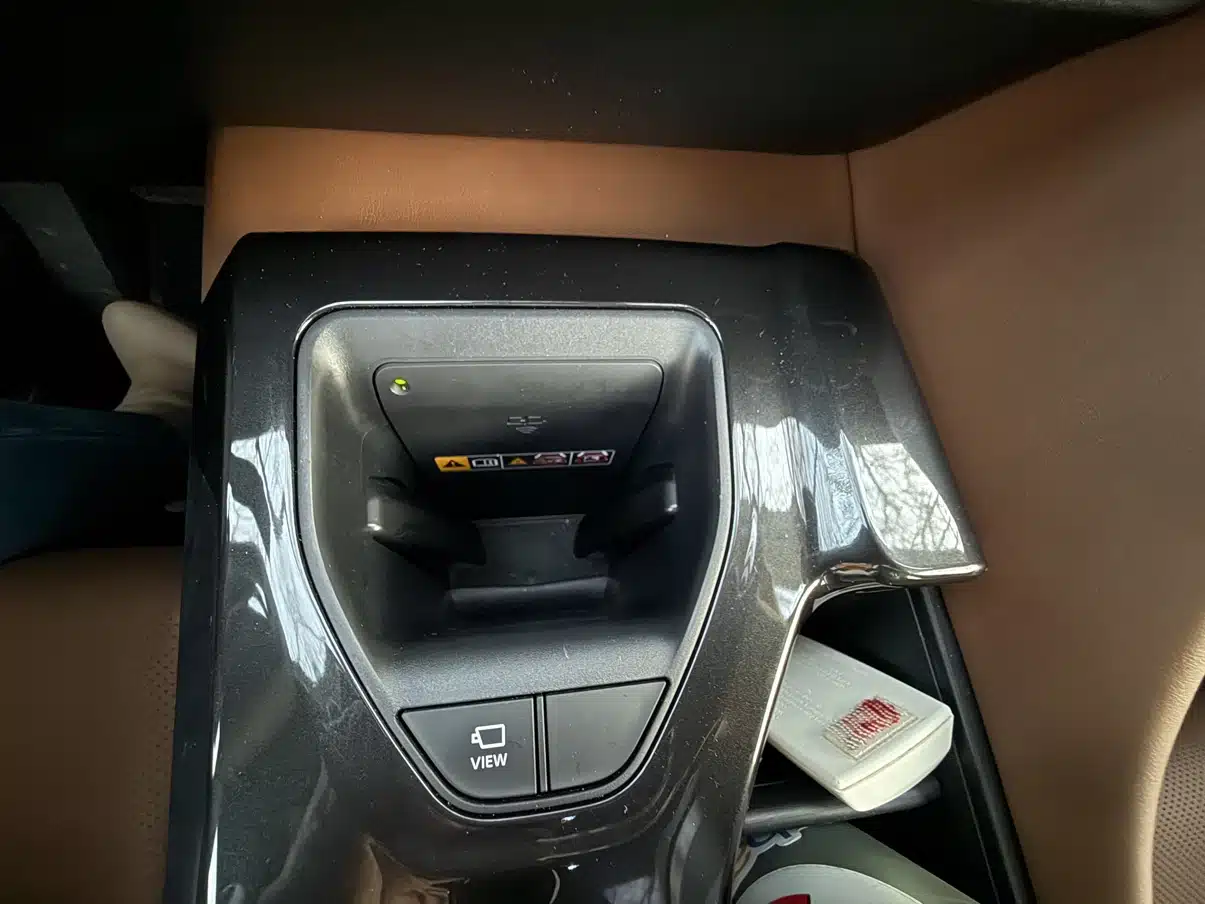
The wireless charger is another pain point. While I like the location and the prongs that hold your phone in place, the charger itself doesn’t work well. It heats up your phone after about 30 minutes, and it will stop charging to let your phone cool down. What this means is you never actually add any charge to your phone. So, if you actually need to charge, the wireless charger isn’t it. Keep a cord in your console storage space.
I stand by my earlier point that I love the tech in the 2025 Toyota Crown Signia – and that includes the new Traffic Jam Assist, level-two hands-free driving system. It’s stable, it works well, and it has natural accelerating and braking – so no herky-jerky movements. But, yep, there has to be one of those to put it on the naughty list. First, it only operates up to about 25 mph. When systems like General Motors’ Super Cruise and Ford’s Blue Cruise have advanced to speeds up to 80 mph, this seems a bit outdated. Yes, it’s called “Traffic Jam Assist” for a reason, but still. The other thing you should know about this feature is that that it comes with a one-year free trial, and then an eventual $15/month Drive Connect subscription fee if you want to keep using it. It may be worth it in a place like Chicago if you commute daily and drive in rush-hour traffic, but if you rarely find yourself in traffic, not so much.
Speaking of subscriptions, Toyota has a lot of them. The cool digital assistant that adjusts your climate when you say, “I’m cold,” falls under the Drive Connect package ($15/month). If you want to stream music from Amazon or other services, that’s part of the Integrated Streaming package ($15/month). If you want to be able to remotely start your vehicle or locate your parked car, you’ll need the Remote Connect package, which doesn’t standalone but comes with any other package.
Finally, rounding out the bad things, for a vehicle that has a base price of about $45k, there were some cheap trim pieces I found disappointing – especially since most of the materials and accents were really well done. The as-tested price of my test car was $51,305, and it had a plasticky dash trim piece and some scratchable shiny plastic around the gearshift and cup holders.
Our take on the 2025 Toyota Crown Signia
I generally like the 2025 Toyota Crown Signia. It has a lot to offer for someone who wants a more carlike ride but needs the utility of a cargo area. It’s comfortable, quiet and packed with tech. But it’s on the pricier side for a Toyota, and if you want all that tech, you’re going to pay for it, monthly, with subscription fees.
2025 Toyota Crown Signia photo gallery
Editor’s note: All photos on this page by Jill Ciminillo.