Pickup trucks have long been associated with strength, durability, and safety. Many drivers believe that larger vehicles offer more protection in accidents compared to smaller cars. But is that really the case? The reality is more nuanced than simple size and weight advantages. While pickup trucks can provide better protection in certain types of crashes, they also present unique risks that drivers should be aware of.
The Safety Advantage of Pickup Trucks
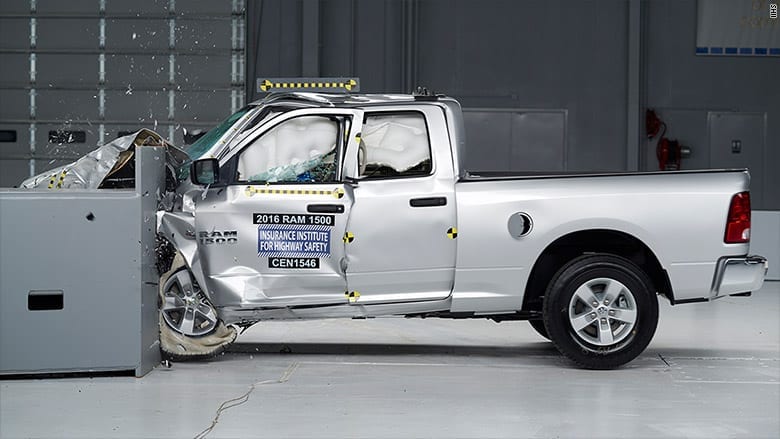
One of the key reasons people assume pickup trucks are safer is their larger size and heavier weight. In a collision between a pickup and a smaller passenger car, the larger vehicle generally fares better due to its greater mass. Studies from the Insurance Institute for Highway Safety (IIHS) confirm that occupants in larger vehicles tend to experience lower fatality rates in multi-vehicle crashes. According to IIHS data, in 2020, driver fatalities in small cars were nearly double those in larger vehicles like pickup trucks.
Additionally, modern pickup trucks come equipped with advanced safety features. Many newer models include:
- Automatic emergency braking (AEB)
- Blind-spot monitoring
- Lane departure warning systems
- Adaptive cruise control
- Roll stability control
These features significantly reduce the risk of accidents and improve overall safety for both truck drivers and others on the road. Furthermore, according to the IIHS, pickup trucks with electronic stability control (ESC) are 50% less likely to be involved in a fatal crash compared to older models without this feature.
The Hidden Dangers of Pickup Trucks
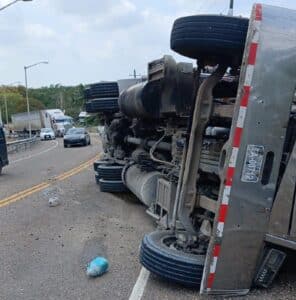
Despite their size advantage, pickup trucks have inherent risks that can make them more dangerous in certain situations. One major concern is their increased risk of rollovers. Due to their higher center of gravity, pickups are more likely to tip over in sharp turns or high-speed maneuvers compared to sedans or SUVs. According to the National Highway Traffic Safety Administration (NHTSA), rollovers accounted for 47% of fatal crashes involving pickup trucks in 2020, compared to 22% for passenger cars. Research also suggests that nearly 74% of rollover crashes result in serious injuries or fatalities.
Another key issue is braking distance. Pickup trucks are heavier than passenger cars, meaning they require longer stopping distances, especially when carrying heavy loads or towing trailers. According to a Consumer Reports study, some full-size pickup trucks require up to 20% longer stopping distances compared to standard sedans when traveling at 60 mph. This increased braking distance can be even more dangerous in poor weather conditions or high-traffic areas.
Finally, the size of pickups can pose a danger to pedestrians and smaller vehicles. High front-end designs in some modern trucks create visibility blind spots, increasing the likelihood of pedestrian accidents. A 2022 study by the Insurance Institute for Highway Safety found that pickups and SUVs were responsible for 81% of pedestrian fatalities in crashes where the driver was making a turn, compared to just 19% for smaller cars. Another study by the Governors Highway Safety Association (GHSA) found that pedestrian deaths involving large vehicles, including pickups, increased by 59% between 2010 and 2021.
Truck vs. Car: Who is Safer?
The answer to whether pickup trucks are safer than cars depend on various factors. In a two-vehicle crash, pickup truck occupants often have better survival odds. However, single-vehicle crashes, especially rollovers, present a greater risk to truck occupants. Moreover, modern cars have improved crash safety designs that protect occupants in ways that older trucks do not. Data from NHTSA indicates that in 2021, the fatality rate per 100,000 registered vehicles was 42% higher for pickup trucks than for passenger cars.
A key consideration is also the safety of other road users. While truck drivers may be protected, smaller vehicle occupants and pedestrians face increased risks in collisions involving large pickups. This raises important questions about overall road safety and vehicle design improvements.
What to Do After a Pickup Truck Accident
Regardless of the type of vehicle involved, accidents can be life changing. If you or a loved one has been injured in a truck accident, it’s crucial to take immediate steps to protect your rights. Seeking medical attention, documenting the accident, and consulting with an experienced attorney can make a significant difference in the outcome of your case.
If you’re looking for legal guidance, an experienced Michigan truck accident lawyer can help navigate complex legal claims to secure fair compensation for medical expenses, lost wages, and pain and suffering. If you’ve been involved in a truck accident, reach out today for a free consultation.
Conclusion
Pickup trucks offer significant safety advantages in multi-vehicle crashes but come with their own set of risks, including rollovers and braking challenges. Drivers should consider these factors when choosing a vehicle and practice safe driving habits to minimize accident risks. According to the NHTSA, more than 70% of fatal crashes involving pickup trucks could be prevented with proper driver awareness and adherence to safety measures. Understanding the realities of truck safety can help prevent accidents and ensure the safety of everyone on the road.