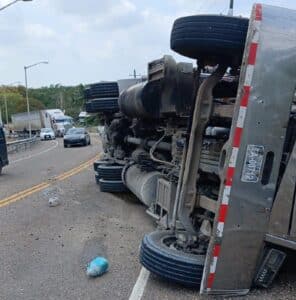
Unlike a standard two-car collision, a multi-vehicle accident involves multiple points of impact, conflicting driver accounts, and different levels of responsibility. Investigators must examine each vehicle’s actions before and during the crash to determine who contributed.
Insurance companies frequently attempt to assign blame to lower compensation because liability can be divided among several parties. Seeking legal guidance from a car accident attorney in Waterbury can help victims protect their rights and ensure that fault is accurately assigned.
Common Causes of Multi-Vehicle Collisions
Several factors contribute to accidents involving three or more vehicles. Some of the most frequent causes include:
- Chain-reaction crashes: A rear-end collision can set off a series of impacts involving multiple vehicles in rapid succession.
- Distracted driving: A driver failing to notice slowing traffic ahead can cause a pile-up.
- Speeding or reckless driving: Excessive speed reduces reaction time, increasing the risk of a multi-car crash.
- Weather conditions: Fog, ice, and heavy rain can reduce visibility and make roads slippery, making it difficult for drivers to stop quickly.
- Failure to maintain a safe following distance: Tailgating often results in rear-end collisions, particularly in sudden stop situations.
- Improper lane changes: A driver switching lanes without checking blind spots can cause others to swerve and collide.
Understanding what led to an accident helps establish fault and determines which drivers bear responsibility for damages.
Determining Liability in Multi-Vehicle Accidents
Assigning blame in a multi-car accident requires a thorough investigation. Law enforcement officers, insurance adjusters, and attorneys analyze the following types of evidence:
- Police reports: Official reports provide initial assessments of fault based on witness statements and physical evidence.
- Traffic camera footage: Video recordings help reconstruct the events leading to the crash.
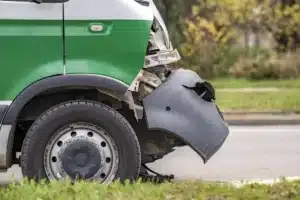
- Vehicle damage: The location and severity provide insight into which cars struck first.
- Skid marks and road conditions: Physical evidence at the scene helps determine whether drivers attempted to stop in time.
Investigators may assign comparative fault, meaning multiple drivers share responsibility for the crash. In some cases, a single negligent driver may have triggered the collision; in others, various motorists may have acted negligently.
How Comparative Negligence Affects Compensation
According to Connecticut’s modified comparative negligence rule, victims of accidents who bear less than 51% of the blame for the collision may be entitled to compensation. However, their percentage of fault will determine how much they are compensated.
For example:
- A driver found 20% at fault for a crash will see their total compensation reduced by 20%.
- If drivers are more than 50% responsible, they cannot recover damages.
Insurance companies often try to reduce payouts by shifting as much fault as possible onto victims. This is why having strong legal representation is essential to ensuring a fair settlement.
The Role of Insurance in Multi-Vehicle Accidents
Insurance claims become more complicated because multiple drivers are involved in a multi-vehicle crash. Each driver’s insurer may conduct its investigation, leading to disputes over fault and compensation.
- At-fault driver’s insurance: Covers damages for injured victims if negligence is proven.
- Victim’s personal injury protection (PIP): Covers medical expenses, regardless of fault, in states with no-fault insurance.
- Uninsured/underinsured motorist coverage applies if an at-fault driver lacks adequate insurance.
Delays and disputes are common in multi-car accident claims, especially when insurers disagree on who should pay. Legal support ensures victims receive full compensation for medical bills, lost wages, vehicle damage, and pain and suffering.
Steps to Take After a Multi-Vehicle Accident
Taking immediate action after a crash can help protect legal rights and ensure a strong injury claim. Key steps include:
- Check for injuries and seek medical attention: Some injuries may not appear immediately, so it’s critical to get evaluated by a doctor.
- Call the police: An official report can help establish fault and serve as valuable evidence.
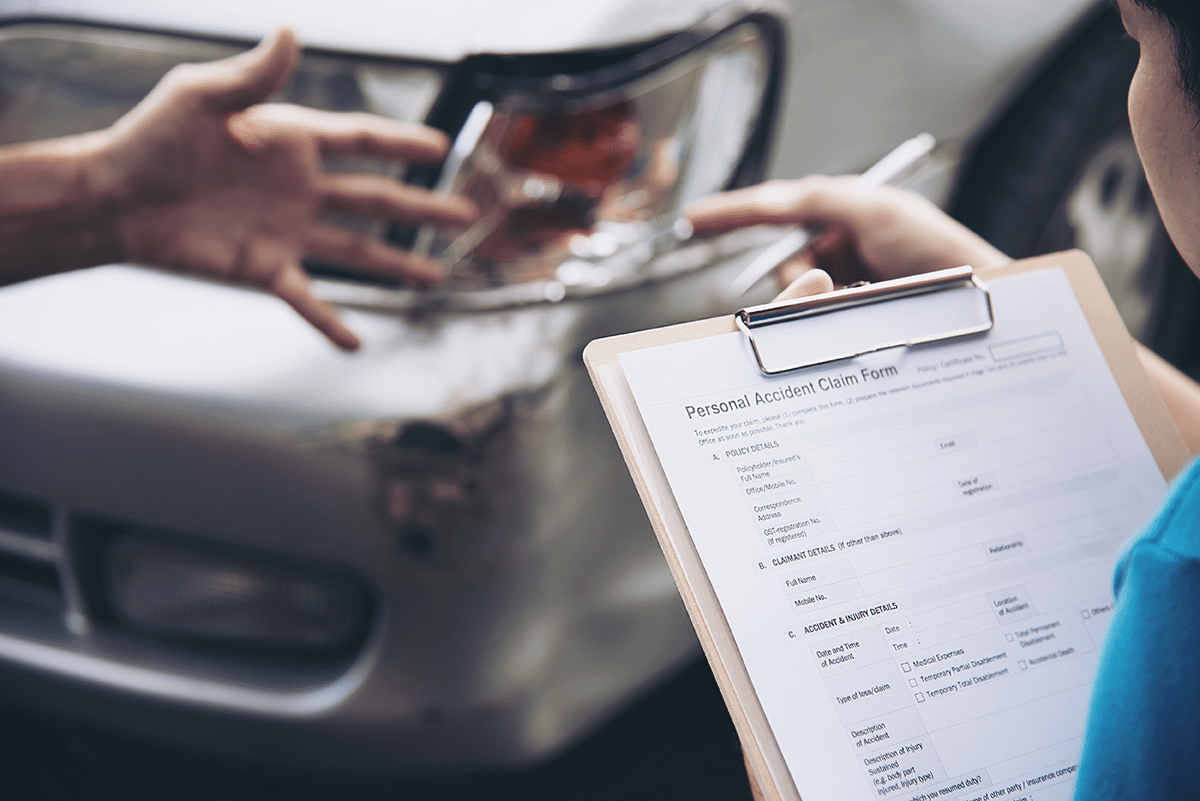
- Document the scene: Take pictures of vehicle damage, road conditions, and visible injuries.
- Obtain witness statements: Neutral third-party accounts can help clarify what happened.
- Exchange insurance information: Collect contact details from all drivers involved.
- Avoid admitting fault: Even saying “I’m sorry” can be misinterpreted as an admission of responsibility.
- Consult a lawyer: Legal representation can help navigate the complexities of multi-vehicle accident claims.
Why Legal Representation Matters
Multi-vehicle accidents involve multiple parties, conflicting accounts, and aggressive insurance companies looking to reduce payouts. An experienced attorney helps by:
- Investigating the crash and gathering crucial evidence.
- Negotiating with insurers to ensure fair compensation.
- Defending against unfair fault assignments.
- Representing victims in court if necessary.
Without legal guidance, accident victims risk losing out on the compensation they deserve.
Protect Your Rights After a Multi-Vehicle Crash
Determining liability in a multi-car accident is not always straightforward. With multiple drivers, insurance companies, and legal challenges involved, securing fair compensation requires a strong legal strategy. Taking the proper steps after a crash and seeking professional guidance ensures that victims receive the justice they deserve. Understanding liability is key to protecting your rights if you have been injured in a multi-vehicle accident. Don’t let insurers take advantage of the situation—get the legal support you need to fight for fair compensation today.