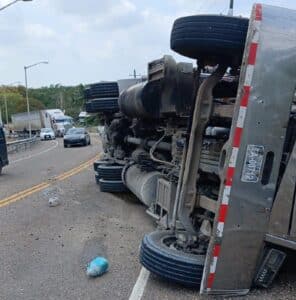

Overloading a vehicle’s payload can significantly affect both safety and legal responsibilities. Failing to adhere to payload capacity increases the risk of vehicular accidents, which can result in severe legal consequences. The implications of overloading are not just a matter of mechanical stress but impact the overall stability and control of the vehicle.
Many drivers underestimate how exceeding weight limits can lead to equipment failure and loss of control. When a vehicle carries more than its capacity, the brakes and tires are under excessive strain, which can cause delays in stopping and increase the likelihood of blowouts. These mechanical failures not only pose hazardous conditions but may also lead to costly legal liabilities and insurance challenges.
Ignorance about payload capacity can result in penalties, ranging from fines to suspension of driving privileges. Companies are also at risk if their operations overlook these limits, potentially facing lawsuits or reputational damage. Constant vigilance regarding payloads ensures not just compliance with the law, but also the safety of all road users.
The Fundamentals of Payload Overloading
Payload overloading poses significant risks that can lead to accidents and increased liabilities. Recognizing the factors that contribute to overload, alongside adhering to established regulations, is crucial in mitigating these dangers.
Defining Payload Overloading
Payload overloading occurs when a vehicle carries more weight than it is designed to handle. This can lead to mechanical failure, impaired handling, and increased brake distance. These issues are particularly concerning when transporting goods for commercial purposes.
Manufacturers designate a Gross Vehicle Weight Rating (GVWR) that specifies the maximum safe weight. When exceeded, the vehicle’s stability and efficiency are compromised. Cargo needs to be loaded within these limits and distributed evenly to maintain balance.
A vehicle’s suspension and braking system are also impacted by overload. This can create hazardous conditions, significantly increasing the chance of an accident. A Greenville car accident attorney would advise individuals to always respect posted load limits to avoid costly legal complications.
Regulatory Standards for Vehicle Loads
Various agencies provide guidelines to prevent overloading. In the United States, the Federal Motor Carrier Safety Administration (FMCSA) sets rules for commercial vehicles. These rules help maintain road safety and protect drivers’ legal interests.
Regulations vary by state, influencing the legal repercussions of violations. They cover aspects such as weight limits, securing loads, and driver responsibility. Understanding these rules is essential for minimizing legal liability.
Failure to comply with regulations can result in fines, vehicle impoundment, and increased accident liability. Engaging with professionals like a Greenville car accident attorney can offer guidance on these regulations and the steps needed to ensure vehicle compliance.
Consequences of Overloaded Vehicles
Overloaded vehicles pose a significant danger due to how they affect vehicle handling, heighten accident risks, and contribute to infrastructure damage. These issues often lead to legal liabilities, prompting the involvement of legal experts, such as a Greenville car accident attorney.
Impact on Vehicle Handling and Performance
When vehicles are overloaded, their handling becomes severely compromised. The additional weight can lead to longer braking distances, making it difficult for drivers to stop safely. Steering also becomes less responsive, which can cause trouble in maintaining control, especially in emergency situations.
Vehicle performance is affected by overloading in terms of acceleration. Overloaded vehicles may struggle to gain speed, which can be a hazard on highways. Mechanical components such as suspension and tires endure extra stress, increasing the risk of mechanical failures. These failures can result in accidents, requiring legal interventions from professionals like a Greenville car accident attorney.
Increased Risks of Road Accidents
The risk of road accidents increases significantly with overloaded vehicles. These vehicles tend to have a higher center of gravity, increasing the likelihood of rollovers. In curves or during sudden maneuvers, the vehicle may tip over, causing severe accidents.
Overloaded trucks and cars can impose unexpected hazards on the road such as load spillage. Items falling from vehicles can create obstacles for other road users. In such cases, legal action may follow, involving attorneys to determine responsibility.
Wear and Tear on Infrastructure
Heavy loads contribute to rapid wear and tear on infrastructure like roads and bridges. The repeated pressure from these loads can lead to potholes and structural damage. Maintenance costs escalate due to frequent repairs needed to sustain road conditions.
This damage poses risks not only to overloaded vehicles but all road users. As the condition of the infrastructure degrades, more accidents can occur, potentially involving legal cases. Local governments and plaintiffs may involve attorneys to resolve liability issues related to road conditions.
Legal Implications and Liabilities
Payload overloading poses serious risks, which can result in severe legal consequences. Understanding the intricacies of negligence, liability, and the importance of legal representation is crucial in overloading-related accidents.
Understanding Negligence and Compliance
Negligence arises when a party fails to exercise reasonable care, leading to damage or harm. In payload overloading cases, it is critical to adhere to regulations. Non-compliance can indicate carelessness, thus establishing negligence.
Key Factors:
- Regulatory Standards: Exceeding weight limits violates federal and state regulations.
- Reasonable Care: Demonstrating knowledge and adherence to logistics and safety guidelines.
Failure in these aspects can result in severe consequences for individuals and businesses. Legal penalties and increased responsibility will often follow if negligence is proven.
Liability in Overloading-Related Accidents
Liability allocation depends on determining who was at fault. Those responsible for overloading can be held liable if their actions lead to an accident. This can include individual drivers, trucking companies, or loading personnel.
Relevant Points:
- Driver Responsibility: Ensuring the cargo’s safe and legal weight.
- Company Liability: Training staff and maintaining protocols.
- Shared Fault: Liability may be shared among parties involved.
Consequences can involve compensation for damages, injuries, or loss of cargo. Such legal implications highlight the need for preventative measures to avoid costly repercussions.
Role of Legal Representation in Liability Cases
Legal counsel plays a pivotal role in navigating the complexities of overloading liability cases. A Greenville car accident attorney can provide the necessary expertise to handle claims efficiently and defend clients’ rights.
Benefits:
- Expert Advice: Legal advisors ensure compliance and understanding of local laws.
- Case Management: Guiding clients through the legal process and representing them in court.
By enlisting professional help, parties involved in these cases are better positioned to manage legal challenges and negotiate settlements effectively.
Preventing Overloading Incidents
Preventing overloading incidents involves implementing best practices in load management and utilizing technological solutions for real-time load monitoring. Effective strategies not only enhance safety but also mitigate legal liabilities associated with cargo overloading.
Best Practices in Load Management
Effective load management begins with understanding weight limits dictated by vehicle specifications and legal regulations. Companies should ensure that drivers and loaders receive proper training to handle various types of loads safely. Regular checks of equipment like scales help maintain accuracy in weight measurement.
Using a load distribution chart can aid in placing cargo correctly to avoid imbalance. Clear communication among team members ensures everyone is aware of loading capacity standards. Companies might consider implementing a checklist for cargo assessment before departure to ensure compliance with weight restrictions.
Lastly, scheduling routine maintenance for vehicles ensures that brakes, suspension, and other essential systems function properly under load. Comprehensive record-keeping of load weights and distribution supports accountability and helps during audits or inspections.
Technological Solutions for Load Monitoring
Advancements in technology offer sophisticated tools for monitoring cargo weight and distribution. Onboard weighing systems provide real-time weight data, alerting drivers of potential overloading before departure. These systems can be integrated with GPS technology to track load changes during transit.
Smart sensors installed on trailers can relay information to both drivers and managers, ensuring compliance with weight regulations. Load monitoring apps can be used to document and share data seamlessly with logistics teams, promoting transparency and operational efficiency.
Systems with predictive analytics can forecast potential loading issues based on specific cargo types or routes. By investing in these technologies, companies can significantly reduce risks associated with overloading, ensuring both safety and compliance.