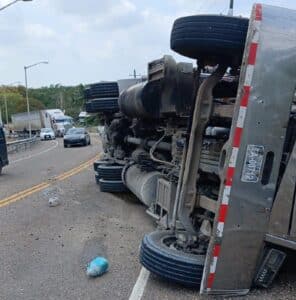

Safety in the trucking industry increasingly depends on proactive maintenance practices. Vehicle recalls play a vital role in identifying and resolving issues that could otherwise compromise truck performance.
As per AutoInsurance.com, over 21 million vehicles across the U.S. have been recalled in 2024 alone. These recalls stemmed from a staggering 635 different safety issues. Each recall highlights the importance of staying aware of potential risks to keep drivers safe on the road.
These recalls often address complex electrical and mechanical systems integral to truck safety, such as anti-lock brakes, electronic stability control, and collision mitigation. For fleet managers and drivers, staying informed about recalls is essential to maintain safe and reliable vehicles on the road.
In this article, we’ll explore why vehicle recalls are critical to truck safety and how they affect daily operations. We’ll also discuss what fleet managers and drivers should know to ensure optimal performance and safety.
Understanding the Role of Recalls in Truck Safety
In recent years, the number of trucks involved in fatal accidents has underscored the importance of addressing potential safety risks through recalls. NSC states that over 5,800 large trucks were involved in fatal crashes in 2022, a 1.8% increase from 2021.
Many of these trucks rely on advanced electrical systems to operate safety features like Anti-lock Braking Systems (ABS) and stability control. When recalls address these systems, they directly impact the effectiveness of these safety measures.
Recalls are essential in ensuring that these critical safety components perform as designed. For instance, defective sensors or wiring within these systems can disrupt communication between the truck’s control unit and safety features. It compromises the driver’s ability to control the vehicle in emergencies. Manufacturers aim to mitigate risks and enhance safety on the road by addressing potential malfunctions through recalls.
How do recalls affect the efficiency of truck safety features?
Recalls address issues that could impair the function of truck safety features like ABS and stability control. A timely recall ensures that these systems continue to perform effectively, which is crucial during emergency maneuvers. This helps truck drivers maintain optimal control, especially in hazardous conditions, reducing the chance of accidents.
Awareness Regarding Recalls Can Save Lives
Staying aware of recall notices is essential for the safety of truck drivers and everyone else on the road. Recalls often address electrical system faults that can jeopardize key safety features.
For example, the Land Line Magazine highlights that Volvo’s recent recall affected nearly 127,000 trucks equipped with faulty Bendix EC80 Advanced ECUs. These issues can lead to problems such as electrical noise, which disrupts communication between critical safety features. As a result, systems like ABS or stability control may become disabled just when they are needed most.
Recalls are crucial because the potential for accidents rises significantly when these systems fail. However, in the unfortunate event of a crash related to a faulty electrical system, there may be grounds for a truck accident injury lawsuit.
According to Russell & Hill, victims, including drivers, passengers, and other road users, may seek compensation when preventable system failures cause accidents. Legal claims can be directed against manufacturers, especially if the truck was recalled and the required repairs were not carried out in time. For companies and drivers, comprehending recall obligations is vital for ensuring safety while preventing liability in potential accidents.
How do recalls help protect against manufacturer liability?
Recalls are critical for preventing safety system failures that can result in accidents. Manufacturers can minimize their chance of being held accountable for product-related incidents by resolving suspected problems through recalls. Staying informed about recalls ensures fleet managers comply with safety regulations and avoid liability issues linked to undetected faults.
The Future of Recalls in Trucking Safety
As trucking technology progresses, vehicle recalls will remain essential for addressing the growing complexities in modern truck safety systems. In 2023, the NHTSA took action to increase recall awareness and completion rates by offering $4.1 million in grants to states.
These funds aim to help states notify vehicle owners about open recalls when they register or renew their vehicle registration. This makes it easier for drivers to stay on top of necessary repairs and ensure their trucks are safe on the road.
Moreover, future recalls may increasingly focus on issues within new safety features like real-time driver assistance, automated braking, and connected vehicle technology. These connected technologies enable trucks to communicate with surrounding infrastructure, supporting improved safety and smoother traffic flow.
Advanced systems rely on high-functioning electrical components, making prompt recall responses crucial for maintaining performance. As technology advances, these systems require more precise maintenance to prevent failures and ensure reliability on the road. Staying updated on upcoming recalls allows fleet managers and drivers to adapt quickly to new technological requirements.
How will evolving recall systems adapt to technological advancements?
As truck technologies advance, recall systems will evolve to address complex electrical and digital components. The increasing use of connected vehicle technology and real-time safety features will require precise tracking of system performance. New recall systems will likely include predictive diagnostics to help fleet managers prevent failures before they happen, enhancing safety and efficiency.
Vehicle recalls are key to keeping trucks safe on the road. They target potential issues in complex electrical systems that power critical features like ABS and stability control. Fleet managers can prevent costly repairs and avoid unexpected downtime by staying updated about recalls.
This proactive approach not only keeps drivers safe but also ensures that everyone on the road is protected. As truck technologies continue to evolve, recalls will play an even bigger role in maintaining safety. Recalls and preventative maintenance together set the stage for a future where trucks are safer, more reliable, and ready for anything.