
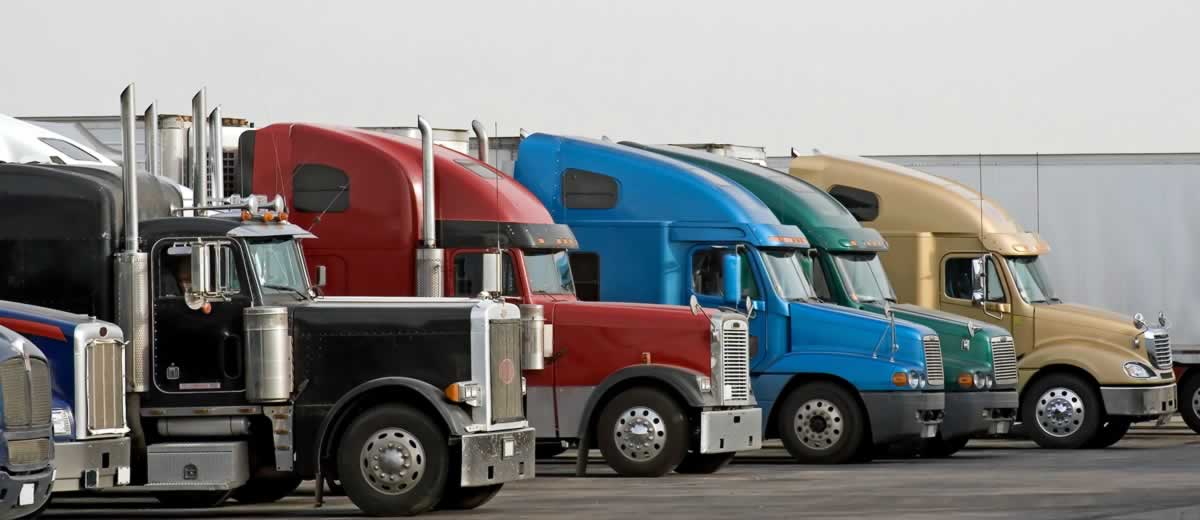
Sharing the road with large commercial trucks can be nerve-wracking, and with good reason. Trucks pose unique challenges due to their size, weight, and potential for causing catastrophic accidents.
Being able to recognize potential warning signs and understanding how to avoid dangerous trucks can significantly reduce your risk of being involved in a crash.
In this article, we consulted with an experienced Houston truck accident attorney to shed light on how to spot red flags in trucking and how to protect yourself while driving.
Recognizing Red Flags in Trucking
Commercial trucks, when poorly maintained or improperly operated, can become serious hazards on the road. Here are some key signs to watch for:
1. Erratic Driving Behavior
One of the first and most obvious warning signs is erratic driving. Trucks that are swerving, braking suddenly, or frequently drifting between lanes may indicate that the driver is either distracted, fatigued, or under the influence of substances. Any of these scenarios significantly increases the risk of an accident. If you observe a truck driver behaving unpredictably, it’s best to maintain a safe distance and, if necessary, report the behavior to local authorities.
2. Overloaded or Improperly Loaded Cargo
A truck that appears to be carrying an unusually heavy or poorly balanced load poses a risk not only to the driver but to everyone else on the road. Overloaded trucks can experience mechanical failures, such as tire blowouts or brake malfunctions, due to the excess weight. Additionally, cargo that is not properly secured can shift during transit, increasing the likelihood of rollovers or debris falling into the road. Be cautious around trucks with visibly imbalanced loads or trucks that appear to be carrying more than they should.
3. Excessive Speed
Large trucks have much longer stopping distances than passenger vehicles, and speeding significantly amplifies the risk of an accident. Trucks traveling at high speeds are more likely to roll over, jackknife, or collide with other vehicles. If you notice a truck moving significantly faster than the surrounding traffic, it’s a clear red flag. Allow the truck plenty of space and avoid trying to pass it if conditions are unsafe.
4. Mechanical Issues
Trucks that emit thick, dark smoke from their exhaust, make strange noises, or have visibly damaged parts (such as broken lights or bent fenders) could be suffering from mechanical problems. Mechanical failures are common contributors to truck accidents, especially if issues such as faulty brakes or worn tires are involved. If you see a truck in poor mechanical condition, it’s best to stay at a safe distance and avoid driving alongside it for extended periods.
5. Driver Fatigue
Fatigue is one of the leading causes of truck accidents, and while it’s not always immediately apparent, there are signs that a driver may be too tired to operate their vehicle safely. Trucks that drift within lanes, miss turns, or fail to react appropriately to changing traffic conditions might be driven by someone who is struggling to stay awake. Federal regulations require truck drivers to adhere to hours-of-service limits, but not all drivers comply with these rules. If a truck is exhibiting signs of slow reaction times or erratic driving, it’s best to steer clear.
Staying Safe Around Commercial Trucks
While spotting red flags is important, knowing how to avoid potentially dangerous situations is equally vital. Here are some safety tips to follow when driving near commercial trucks:
1. Maintain a Safe Following Distance
Always leave plenty of space between your vehicle and a truck, especially in adverse weather conditions. Trucks require much more time to come to a complete stop, and following too closely puts you at risk of a rear-end collision if the truck brakes suddenly.
2. Avoid Blind Spots
Trucks have large blind spots on all sides, commonly referred to as “no-zones.” These blind spots are particularly dangerous because the truck driver may not see you when changing lanes or turning. Stay out of these areas, and if you must pass a truck, do so quickly and on the left side, where the blind spot is smaller.
3. Be Cautious When Passing
Never pass a truck on the right side, as this is one of the largest blind spots. When passing, ensure you can see the driver in their side mirror before you start, and never cut closely in front of a truck after passing. Doing so could prevent the truck from stopping in time to avoid a collision if you need to brake.
4. Stay Calm in Bad Weather
Trucks are more prone to accidents in bad weather conditions like rain, snow, or fog. These conditions make it harder for trucks to brake, and they are also more likely to hydroplane or skid. If you encounter a truck in bad weather, it’s best to reduce your speed and give the truck even more space than usual.
5. Report Dangerous Behavior
If you see a truck driving recklessly or showing signs of malfunction, report the issue to the authorities. Many trucks display a “How’s My Driving?” sticker with a phone number to call. Taking action can potentially prevent a serious accident.
The Role of Regulatory Agencies
Several federal and state regulations govern the trucking industry, with the aim of improving safety. The Federal Motor Carrier Safety Administration (FMCSA) sets guidelines for hours of service, weight limits, and maintenance standards. While these regulations are designed to keep both truck drivers and other motorists safe, enforcement is not always consistent.
By remaining vigilant and recognizing red flags in trucking, drivers can help compensate for gaps in regulatory oversight.
Stay Alert and Stay Safe
While the size and presence of commercial trucks on the road can be intimidating, knowing how to spot potential hazards is the first step in staying safe. By paying attention to red flags like erratic driving, overloaded cargo, and visible mechanical issues, you can avoid dangerous situations.
Remember, your best defense is staying alert, giving trucks plenty of space, and acting proactively when you encounter potentially dangerous commercial vehicles on the road. If you find yourself involved in a truck accident, seeking legal counsel from a trusted attorney can help you navigate the complexities of the situation.








