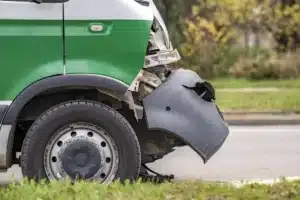
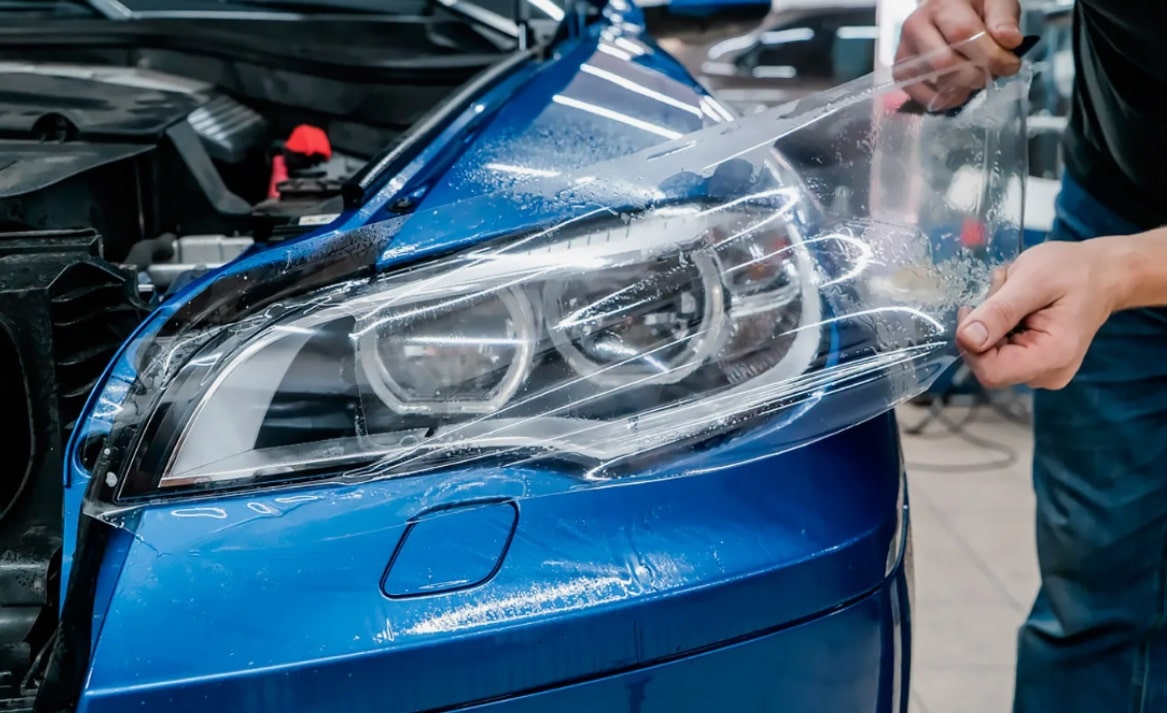
Automotive paint protection film, or PPF for short, is a professional service whereby a clear, thin, and highly durable film is applied to the exterior surfaces of the car in order to shield it from harm. This particular automotive film is used to shield the car against certain forms of damage that may be present in the environment and thus help maintain the paintwork of the vehicle and give it a new look.
Characteristics of Paint Protection Film (PPF)
Protection against physical damage:
Scratch and Chip Resistance: PPF is very effective in protecting the surface of the vehicle from scratches, chipping, and scuffing that are caused by rocks, road grime, and minor accidents.
Self-Healing Properties: Most modern PPFs are capable of repairing small scratches and swirl marks independently when exposed to sunlight or warm water.
UV protection:
The film also has UV protection capabilities to prevent the paint from being destroyed by the ultraviolet light from the sun. This is especially useful in regions of the world that receive high levels of sunlight.
Stain resistance:
Сar PPF service prevents bird droppings, tree sap, bug spatter, and other foreign substances from embedding in your paint. This also helps facilitate the cleaning process.
Enhanced gloss:
The film is capable of giving paintwork a shiny and more lively look, thus making the car appear as if it were freshly painted.
Preserves Resale Value:
By preserving the looks of the vehicle, this will increase its resale value.
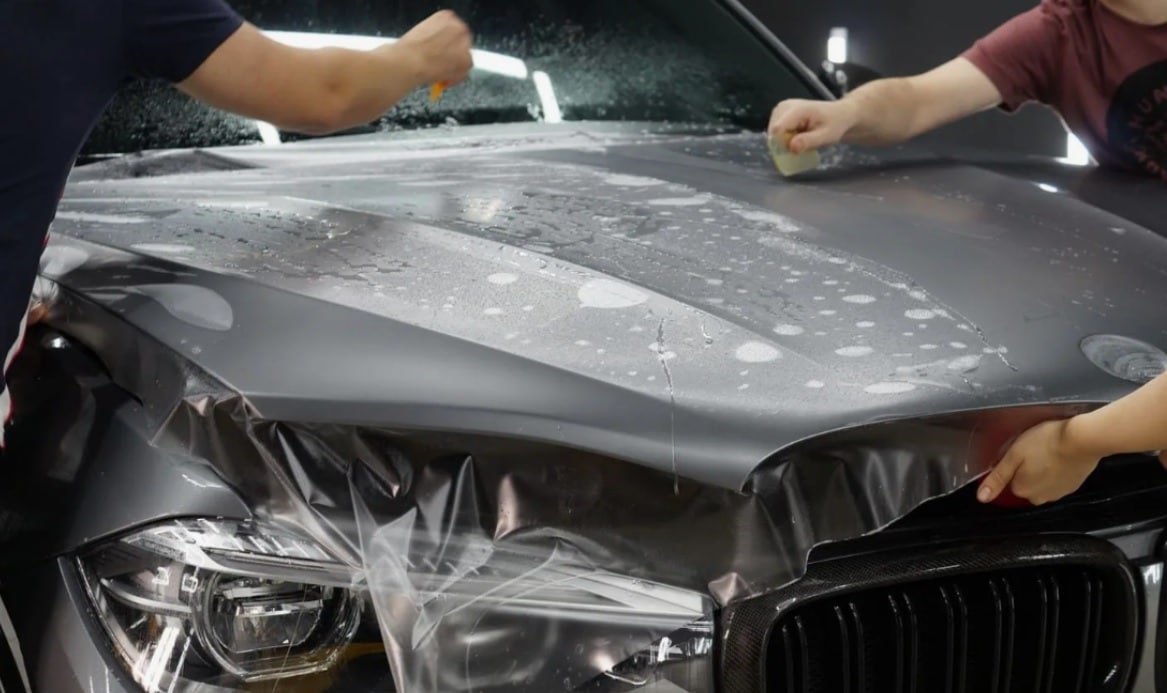
The PPF Application Process
Surface preparation:
The car’s surface has to be washed and sometimes even polished to help the PPF bond well and to ensure that there are no impurities trapped between the film and the car’s exterior.
Film application:
The PPF is then applied to the car’s exterior in a very delicate manner. This process is rather delicate since the film has to be applied following the shape of the vehicle and cannot have any bubbles or improper placement positions.
Curing and final inspection:
After it has been applied to the surface, the PPF has to dry in order to adhere to the paint in an appropriate manner. After hardening, the product is examined for defects so that all edges receive proper sealing.
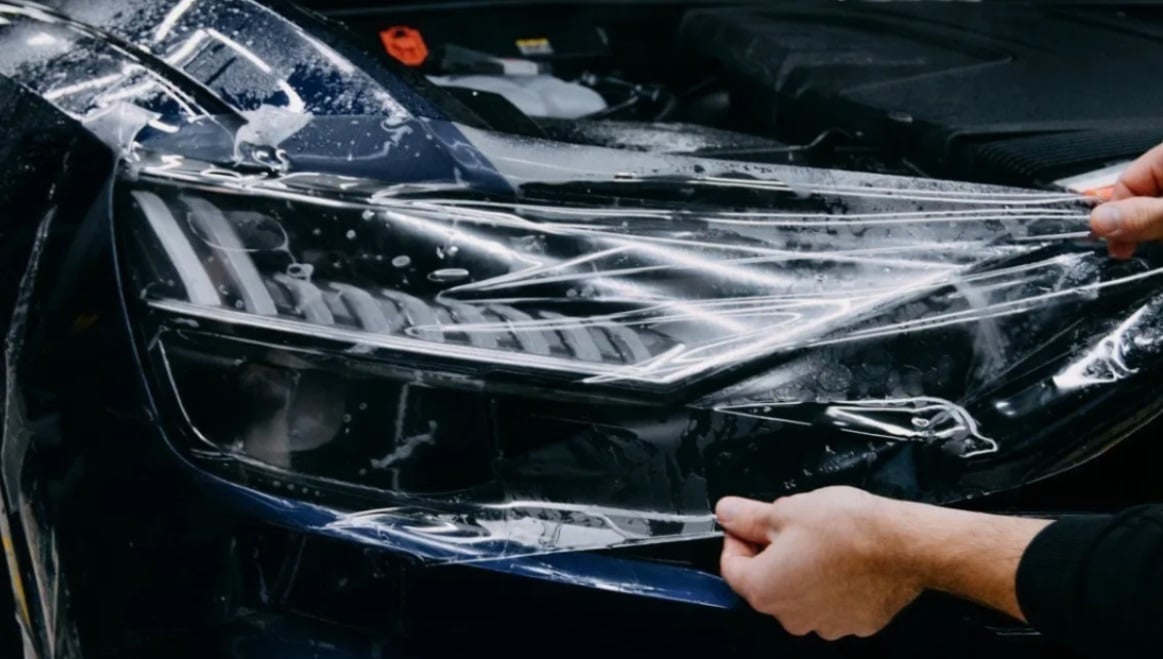
Possible fields for the application of PPF
Front Bumper: Due to the high level of exposure to stones, one of the most popular areas for PPF use is the front bumper.
Hood: The hood is another component that is also likely to be damaged by rocks and other debris.
Side Mirrors and Fenders: Such areas also face road debris risks and require the protection that PPF offers.
Full Vehicle Wrap: Certain vehicle owners opt to have the entire exterior of their car wrapped with PPF to provide maximum protection to all the painted surfaces of the car.
Conclusion
A Paint Protection Film (PPF) service is a worthy investment for car owners who care about the aesthetics of the vehicle and want to shield it from the dangers of the open road. So may it be a luxury car or a passenger vehicle, PPF can make it look new, increase resale value, and protect it from the elements.