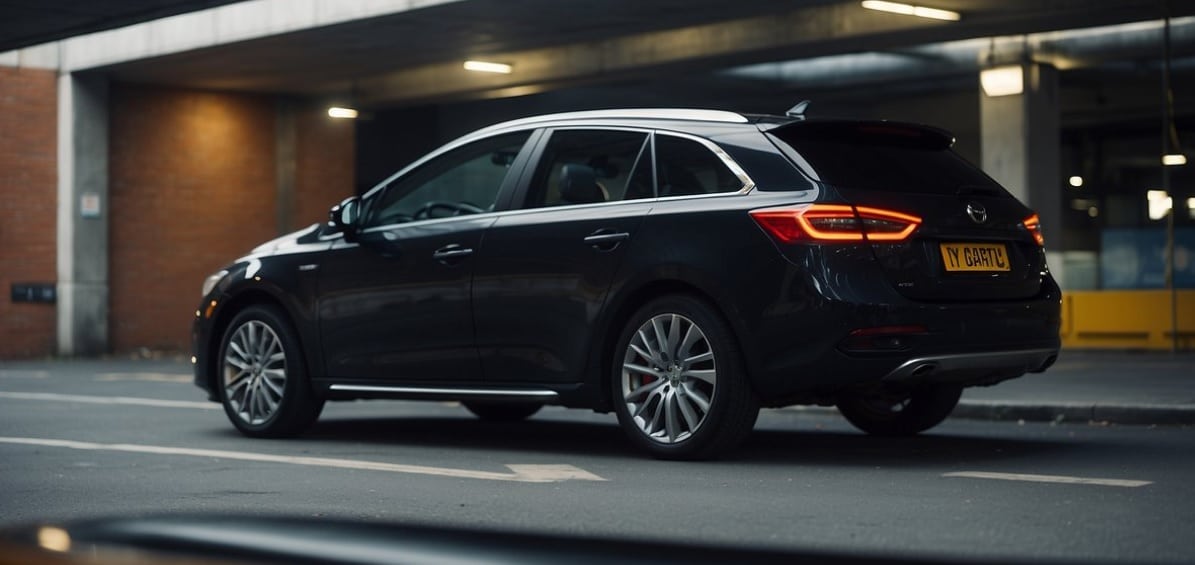
Parking assist technology aims to make parking easier and safer by utilizing ultrasonic sensors to detect obstacles around a vehicle. When your parking assist system is not working, it could be due to several common issues, such as sensor obstructions, software malfunctions, or hardware defects. Addressing these problems quickly is crucial to maintaining the functionality and reliability of your vehicle’s parking assist system.
Obstructions like dirt, ice, or debris on the sensors are frequent culprits of a malfunctioning system. Software glitches also pose a significant problem, especially with vehicles that receive regular updates, potentially disrupting the system’s performance. Understanding these issues can save time and frustration, allowing for quicker fixes and enhanced safety.
Legal implications arise when a faulty parking assist system leads to minor accidents or property damage. Knowing the legal responsibilities associated with a defective system helps vehicle owners navigate potential liabilities, ensuring they remain compliant with road safety regulations. For a deeper look into specific causes and solutions, continue reading the article.
Identifying common failures in parking assist systems
Failures in parking assist systems often stem from issues with sensors, electrical components, software glitches, or physical damage. Addressing these problems can help ensure the system works properly and avoid unexpected issues while parking.
Sensor malfunctions and obstructions
Sensors are crucial components of a parking assist system, often located at the front and rear of the vehicle. These sensors can fail due to dirt, mud, or debris accumulation, leading to inaccurate readings. For instance, a dirty sensor might mistakenly detect an obstacle when there isn’t one.
In Florida, where heavy rain can be common, water or mud can easily obstruct sensors. Regular cleaning of these sensors can mitigate such issues. Additionally, a sensor may become misaligned or loose, affecting its ability to function correctly. Checking sensor alignment periodically helps maintain their effectiveness.
Electrical and software glitches
Electrical and software issues also play a significant role in parking assist failures. Loose wiring or faulty connections can disrupt the communication between the sensors and the vehicle’s central computer. Identifying and securing these connections is essential for system reliability.
Software glitches, including outdated firmware or calibration errors, can cause the system to malfunction. In some cases, reconnecting the vehicle’s battery or performing a system reset can resolve the issue. Users may refer to resources such as GMC Park Assist Not Working to explore additional troubleshooting tips.
Physical damage and component wear
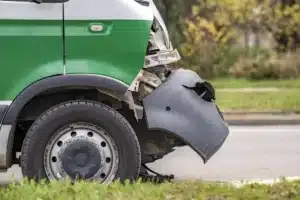
Physical damage and component wear are other critical factors. Parking assist systems include various hardware components, such as cameras and ultrasonic sensors, which can suffer damage from minor collisions or rough handling. For example, a slight bump into a curb can misalign or break a sensor.
Moreover, some components may degrade over time due to exposure to harsh environmental conditions, such as salt air in coastal regions like Florida. Regular inspections and timely replacements of worn-out parts can help maintain the system’s performance and longevity. Using reliable parts can minimize frequent breakdowns.
Legal considerations when parking assist fails
When your parking assist system fails, it can lead to accidents, disputes over responsibility, and insurance complications. Understanding legal implications is crucial to protecting yourself and navigating potential claims effectively.
Responsibility and liability
Determining responsibility when parking assistance fails depends on various factors. Vehicle owners are generally expected to maintain sensor cleanliness and functionality. However, if a failure occurs due to a manufacturing defect or poor installation by a mechanic, the liability may shift.
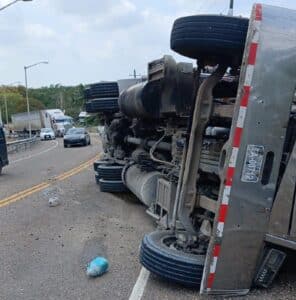
In states like Florida, comparative negligence laws might apply. This means multiple parties could share fault. A truck crash lawyer in Venice, FL, can offer guidance on how liability is assigned in such cases, especially if multiple vehicles are involved in the incident.
Navigating insurance claims
Insurance claims involving parking assist failures can be complex. First, notify your insurer promptly about the accident. Provide detailed information, including any error codes or messages from the parking assist system.
Documenting the scene with photos and witness statements can strengthen your claim. Insurers will investigate whether the failure was due to user error, system malfunction, or external factors like weather conditions. Seeking advice from specialists, such as a truck crash lawyer in Venice, FL, can clarify procedures and ensure your rights are protected during the claims process.
Pursuing legal action
If a parking assist malfunction causes significant damage or injury, you may need to pursue legal action. This could involve suing the manufacturer for a defective product or a dealership for improper installation. Legal representation is crucial in these scenarios.
A specialized attorney, such as a truck crash lawyer in Venice, FL, can assist in gathering evidence, filing lawsuits, and negotiating settlements. They can help you understand the burden of proof required to show that the parking assist failure directly caused the accident and resulting damages.
Knowing when and how to take legal action can safeguard your interests and offer recourse for any losses suffered due to the technology failure.