
Highways are essential for long-distance travel and daily commutes, providing efficient routes for millions of drivers. However, a common question arises: Are car collisions more common on highways compared to other types of roads? Understanding the dynamics of highway driving and collision statistics can shed light on this important safety concern.
Factors contributing to highway collisions
High Speeds: Highways are designed for fast travel, with speed limits typically ranging from 55 to 70 miles per hour or more. While these speeds facilitate quick transit, they also mean that any collision can be more severe due to the greater force of impact. Further, according to the Albuquerque car crash lawyers at Singleton Schreiber, speeding is one of the top causes of car collisions.
Heavy Traffic Volume: Highways often accommodate a high volume of vehicles, especially during peak hours. This congestion can lead to a higher likelihood of collisions, particularly during rush hours when drivers are more prone to distractions and aggressive driving behaviors.
Driver Fatigue: Long stretches of highway driving can lead to driver fatigue, a significant factor in many collisions. The monotony of the road, coupled with extended periods behind the wheel, can cause drivers to become drowsy and less alert.
Weather Conditions: Highways are not immune to adverse weather conditions. Rain, snow, fog, and ice can create hazardous driving environments, increasing the risk of collisions. High speeds combined with poor visibility and slippery surfaces can be particularly dangerous.
Distracted Driving: The prevalence of smartphones and in-car entertainment systems has contributed to a rise in distracted driving incidents. On highways, where speeds are higher, the consequences of taking one’s eyes off the road, even for a few seconds, can be catastrophic.
Comparative analysis: Highways vs urban roads
Collision Frequency: Studies and statistical analyses often show that while highways see fewer collisions per mile traveled compared to urban roads, the collisions that do occur on highways tend to be more severe. Urban roads, with their stop-and-go traffic, intersections, and pedestrian crossings, witness more frequent but generally less severe collisions.
Severity of Collision: The severity of highway collisions is typically higher due to the factors mentioned earlier, particularly high speeds and heavy traffic. Fatalities and serious injuries are more common in highway crashes than in those occurring on city streets.
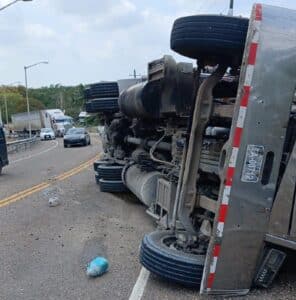
Types of Collisions: On highways, multi-vehicle pile-ups are more likely, especially in areas with high traffic volume or adverse weather conditions. Rear-end collisions, sideswipes, and rollover accidents are also more common on highways. In contrast, urban roads see a higher incidence of collisions involving pedestrians and cyclists, as well as lower-speed collisions at intersections.
Safety measures and tips for highway driving
Adhere to Speed Limits: Obeying posted speed limits is crucial for maintaining safety on highways. High speeds increase the stopping distance and the force of impact in the event of a collision.
Stay Alert: Avoid distractions such as using a smartphone or adjusting the radio. Stay focused on the road, especially during long drives. If you feel tired, take a break to rest.
Maintain Safe Following Distance: Keeping a safe distance from the vehicle ahead allows more time to react to sudden stops or changes in traffic flow. This is particularly important at high speeds where stopping distances are longer.
Use Proper Signaling: Signal your intentions well in advance when changing lanes or merging. Clear communication with other drivers helps prevent misunderstandings and collisions.
Adjust for Weather Conditions: Slow down and increase following distances during adverse weather conditions. Use headlights in low visibility situations and ensure your vehicle is well-maintained for optimal performance.
Conclusion
While car collisions on highways may be less frequent than those on urban roads, they tend to be more severe due to the factors associated with high-speed travel. Understanding the risks and adopting safe driving practices can significantly reduce the likelihood of highway collisions. By staying alert, obeying speed limits, and being mindful of weather conditions, drivers can help ensure safer journeys on these vital roadways.