The automotive industry has been at the forefront of innovation since its inception. What was unimaginable 100 or even 50 years ago – think widespread electric cars or autonomous driving systems, to name a few – is the reality of today’s world. The pace of automotive technological advancements continues to reshape the way we drive and do business. However, we shouldn’t let the tech fever overshadow the importance of the person behind the wheel.
While it’s undeniable that autonomous vehicles will be more present on our roads in the foreseeable future, no one has said that drivers will become completely irrelevant to the transportation business. While one might argue that the demand for drivers could decrease, this only makes competition between drivers more fierce, and performance evaluation more essential. This is where the human aspect of any business and the technological wave meet, boosting the appearance of new tools and solutions, such as driver behavior monitoring.
In the truck and SUV market where drivers are often behind the wheel for long periods, towing heavy loads or navigating challenging terrain, monitoring driver behavior isn’t just an add-on; it’s an essential tool for enhancing safety, improving performance, and reducing costs.
Why driver behavior monitoring matters
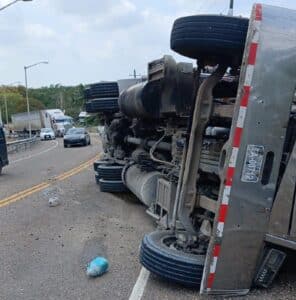
Safety is paramount for truck and SUV owners, especially when using them for work. These vehicles are typically larger, heavier, and more powerful than an average car, and their sheer size increases the risk of accidents if not driven carefully.
Factors like aggressive acceleration, harsh braking, and cornering can lead to excessive wear and tear as well as compromise safety. That’s where driver behavior monitoring systems step in. They can track and analyze various driving habits and provide real-time reports for both drivers and their managers. The goal of such a monitoring system is to ensure that all drivers work safely and responsibly.
What does driver behavior analysis include?
Driver behavior monitoring goes beyond basic GPS tracking. For example, Mapon, an all-in-one fleet management company, measures several metrics that impact a vehicle’s efficiency, performance, and safety.
One key metric is eco-speed, to track how often your vehicle stays within an eco-friendly speed range, customizable to suit your needs. Then there’s excessive idling – the silent fuel-waster will now be recorded to show how long the engine runs while the vehicle doesn’t move. Cruise control usage is another insightful factor that is crucial for maintaining steady, efficient driving.
Additionally, the system monitors coasting, harsh braking, and harsh cornering. Finally, speeding can also be tracked with customizable parameters.
Additionally, driving analysis can be combined with other fleet management solutions such as AI-based dashcams that can detect safety-compromising behavior and send you an alert. All these solutions are particularly useful for trucks and SUVs that often operate in difficult driving conditions. A significant contributor to road accidents is driver fatigue, and monitoring systems that alert drivers when they show signs of drowsiness can be life-saving.
The impact on fleet management
Trucks and SUVs are a standard vehicle choice for businesses working in construction, farming, services, and other similar industries. There, driver behavior monitoring becomes indispensable for fleet managers looking to not only oversee but also optimize their daily operations. For fleet managers looking to streamline operations, utilizing truck driver management software can help improve compliance, enhance driver performance, and reduce operational costs.
First, maintaining a fleet of trucks or SUVs is costly. Driver behavior monitoring can help fleet operators identify inefficient driving habits that lead to excessive fuel consumption, unnecessary maintenance, or, worse, accidents.
Moreover, excessive fuel consumption and wasteful driving habits can be identified and measured much more quickly compared to other driving factors affecting a vehicle’s overall condition. While issues related to the latter are often discovered during less frequent inspections, fuel-related concerns can be detected and addressed relatively early.
The role of insurance companies
Another key player in the growth of driver behavior monitoring is the insurance industry. Many insurance companies now offer usage-based insurance (UBI) programs, which determine premiums based on how safely a vehicle is driven.
For truck and SUV owners, this could mean lower premiums if it’s proven they drive responsibly. Integrating a proper driving behavior monitoring system into these programs lets companies potentially benefit from significant cost savings.
For example, fleet managers may monitor how often a truck or SUV exceeds speed limits, harshly accelerates, or brakes hard. These insights allow them to reward drivers who consistently demonstrate safe behavior, while also offering data-driven personalized recommendations to fix risky and wasteful driving habits.
Beyond fleet business: Off-road adventures and recreational use
Truck and SUV enthusiasts who enjoy off-roading are another group that can benefit from driver behavior analysis. While such monitoring is often associated with on-road safety, it’s equally useful for off-road scenarios. Systems can monitor how a driver navigates through rough terrain, identifying risky moves that could damage the vehicle or result in an accident.
The future of truck and SUV safety
In the near future, we will see more and more trucks and SUVs equipped with telematics devices that support driving behavior monitoring. The next wave of innovation will likely see these systems become even more intelligent, utilizing vehicle-to-everything (V2X) communication to predict dangers in real-time, such as road conditions, traffic patterns, or nearby vehicles behaving erratically and sharing this information with other vehicles or even pedestrians.
For truck and SUV owners, whether fleet operators, off-road enthusiasts, or just daily drivers, investing in driver behavior monitoring technology offers tangible benefits right here and now. From saving on fuel and maintenance to preventing accidents and lowering insurance premiums, it’s clear that monitoring driving habits is more than just a trend – it’s the future of road safety.